Understanding Fire Classifications and Safe Extinguishing Methods in the UK
Fires are incredibly dangerous — but did you know not all fires are the same? In the UK, fires are categorised into six distinct classes based on the type of fuel involved. Understanding these classifications is vital for selecting the correct extinguishing method and avoiding further harm.

Why you can trust our content
At a glance
Using the wrong type of fire extinguisher can worsen the fire, potentially causing explosions, spreading flames, or even resulting in electric shock. That’s why fire safety training and awareness of fire classes are essential — whether at home, in the workplace, or in industrial environments.
Below, we break down each fire class and the appropriate methods to tackle them safely and effectively.
The Six Classes of Fire (UK Classification)
Class A – Fires Involving Solid Combustible Materials
These are the most common fires and involve everyday materials such as:
- Paper
- Wood
- Textiles
- Plastics
Recommended extinguishers:
- Water extinguishers (red label) — effectively cool and suppress flames.
- Foam extinguishers (cream label) — also suitable for Class A fires.
Class B – Fires Involving Flammable Liquids
Typical fuels include:
- Petrol
- Diesel
- Alcohol
- Paint
- Oil-based products
Recommended extinguishers:
- Foam extinguishers (cream label) — create a smothering barrier to cut off oxygen.
- CO₂ extinguishers (black label) — displace oxygen and cool the fire.
- Dry powder extinguishers (blue label) — effective but should be used cautiously indoors.
Class C – Fires Involving Flammable Gases
Common gases include:
- Propane
- Butane
- Methane
Action and extinguishers:
- First step: Turn off the gas supply immediately if it is safe to do so.
- Dry powder extinguishers (blue label) — best suited for extinguishing gas fires.
- Avoid using water or foam, which may cause the flames to spread.
Class D – Fires Involving Flammable Metals
Rare but serious, Class D fires involve metals such as:
- Magnesium
- Aluminium
- Lithium
- Titanium
Recommended extinguishers:
- Specialised dry powder extinguishers (often labelled L2 or M28) — specifically designed for metal fires.
- Never use water — it can cause violent explosions.
Class E – Fires Involving Electrical Equipment (Not officially recognised as a separate class but still widely referred to)
Includes:
- Computers
- Phone chargers
- Electrical wiring
- Circuit boards
Recommended extinguishers:
- CO₂ extinguishers (black label) — leave no residue and are safe on electrical fires.
- Dry powder extinguishers (blue label) — can be used but may damage electronics.
- Avoid water-based extinguishers on live electrical equipment.
Class F – Fires Involving Cooking Oils and Fats
Typically found in commercial and domestic kitchens, involving:
- Deep-fat fryers
- Vegetable oil
- Animal fats
Recommended extinguishers:
- Wet chemical extinguishers (yellow label) — cool the burning oil and form a seal to prevent reignition.
- Never use water — it can cause explosive reactions and spread the fire.
UK Fire Extinguisher Colour Coding Guide
| Extinguisher Type | Label Colour | Suitable For |
|---|---|---|
| Water | Red | Class A fires |
| Foam | Cream | Class A and B fires |
| CO₂ | Black | Class B and electrical fires |
| Dry Powder | Blue | Classes A, B, C, D and electrical fires |
| Wet Chemical | Yellow | Class A and F fires |
Knowing the colour coding helps avoid mistakes during emergencies. Training staff, tenants, or family members on extinguisher use can be lifesaving.
UK Fire Statistics at a Glance
Understanding the scope of fire-related incidents highlights the importance of proper classification and extinguisher use:
- Over 150,000 fires were attended by UK fire services in 2022.
- 27,000 of these were dwelling fires, with 300 fire-related fatalities.
- Cooking appliances were responsible for 48% of accidental dwelling fires.
- Electrical issues (e.g. wiring and appliances) accounted for 15% of fires.
These figures stress the need for preventative measures and immediate, informed action during fire emergencies.
What Happens After a Fire?
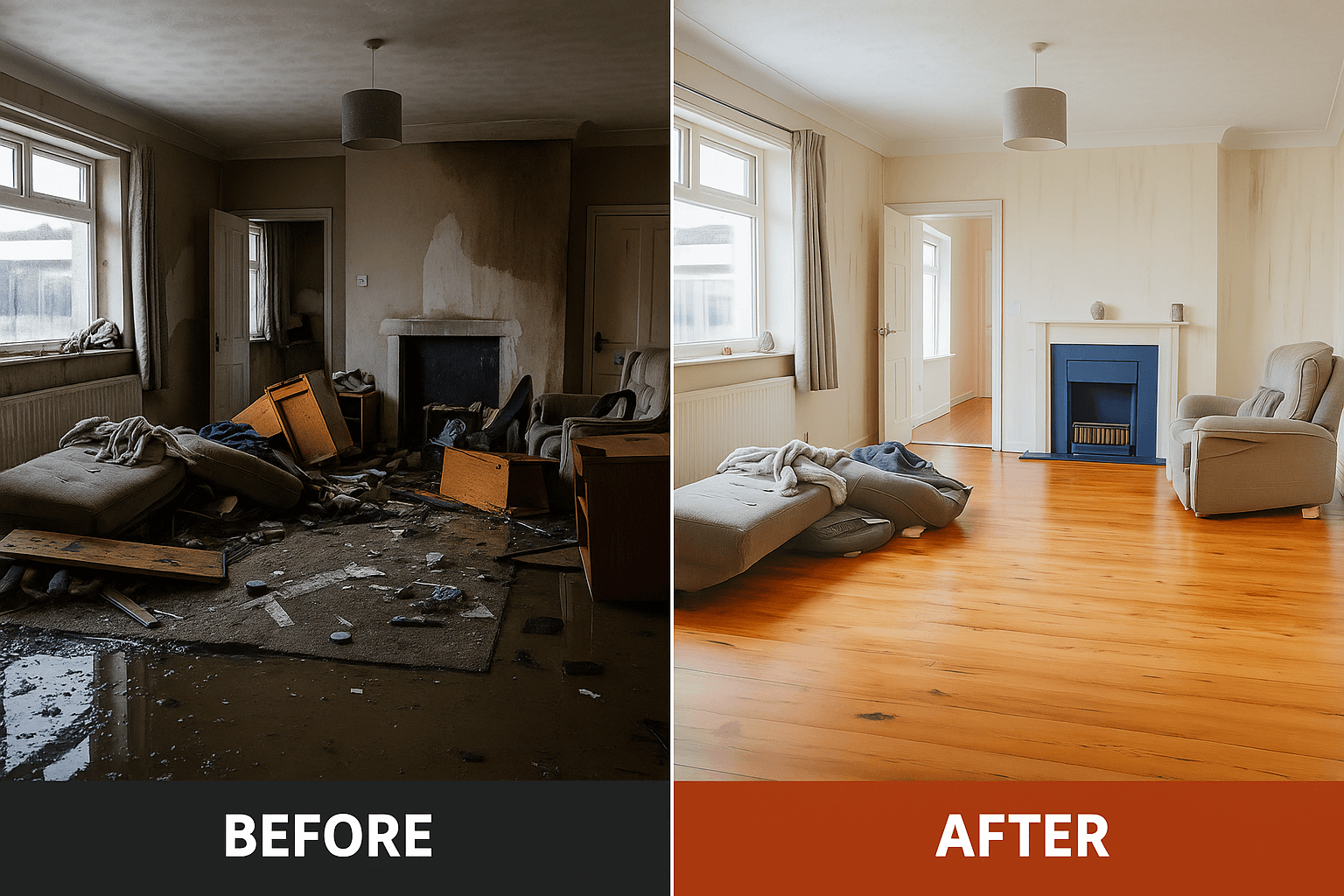
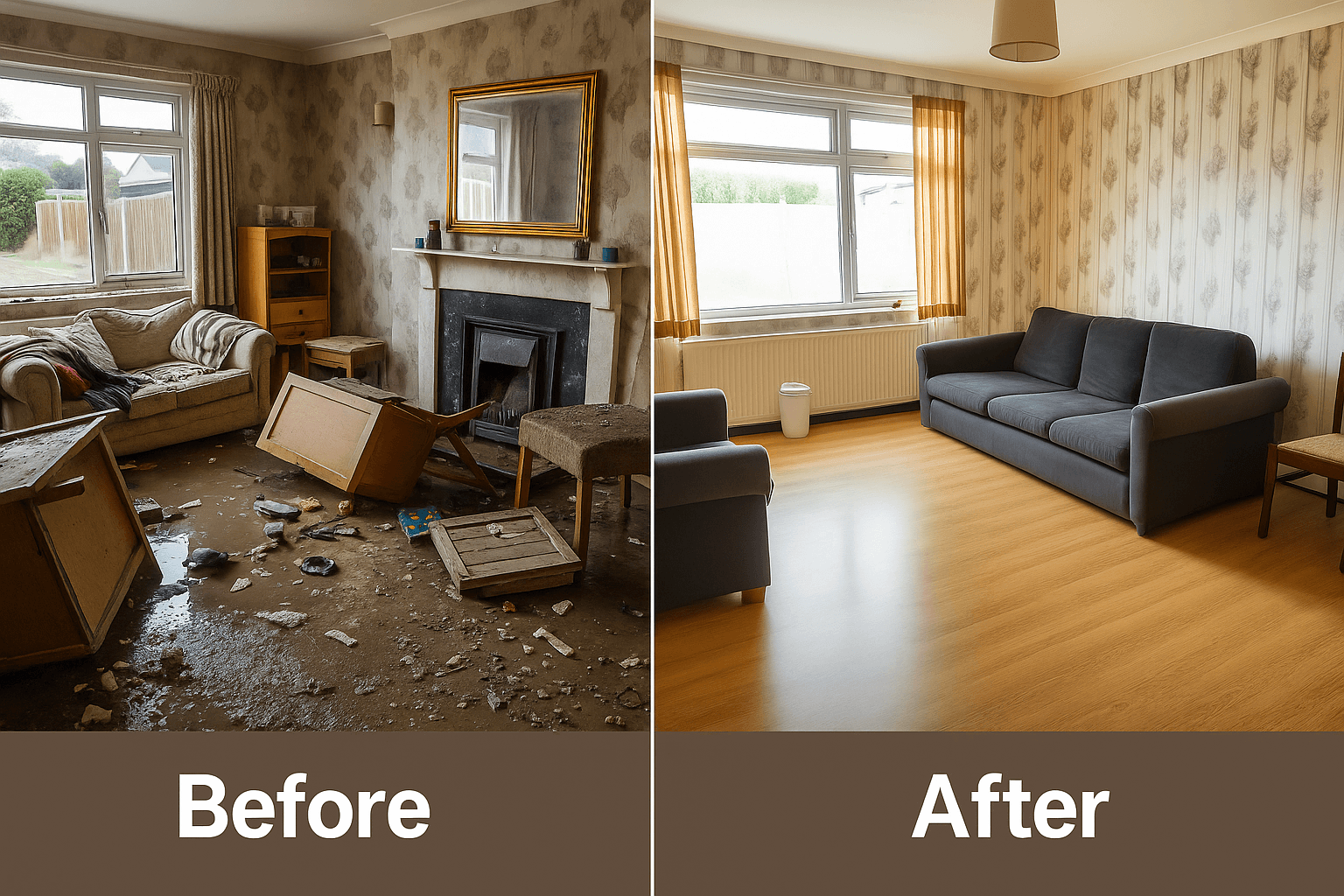
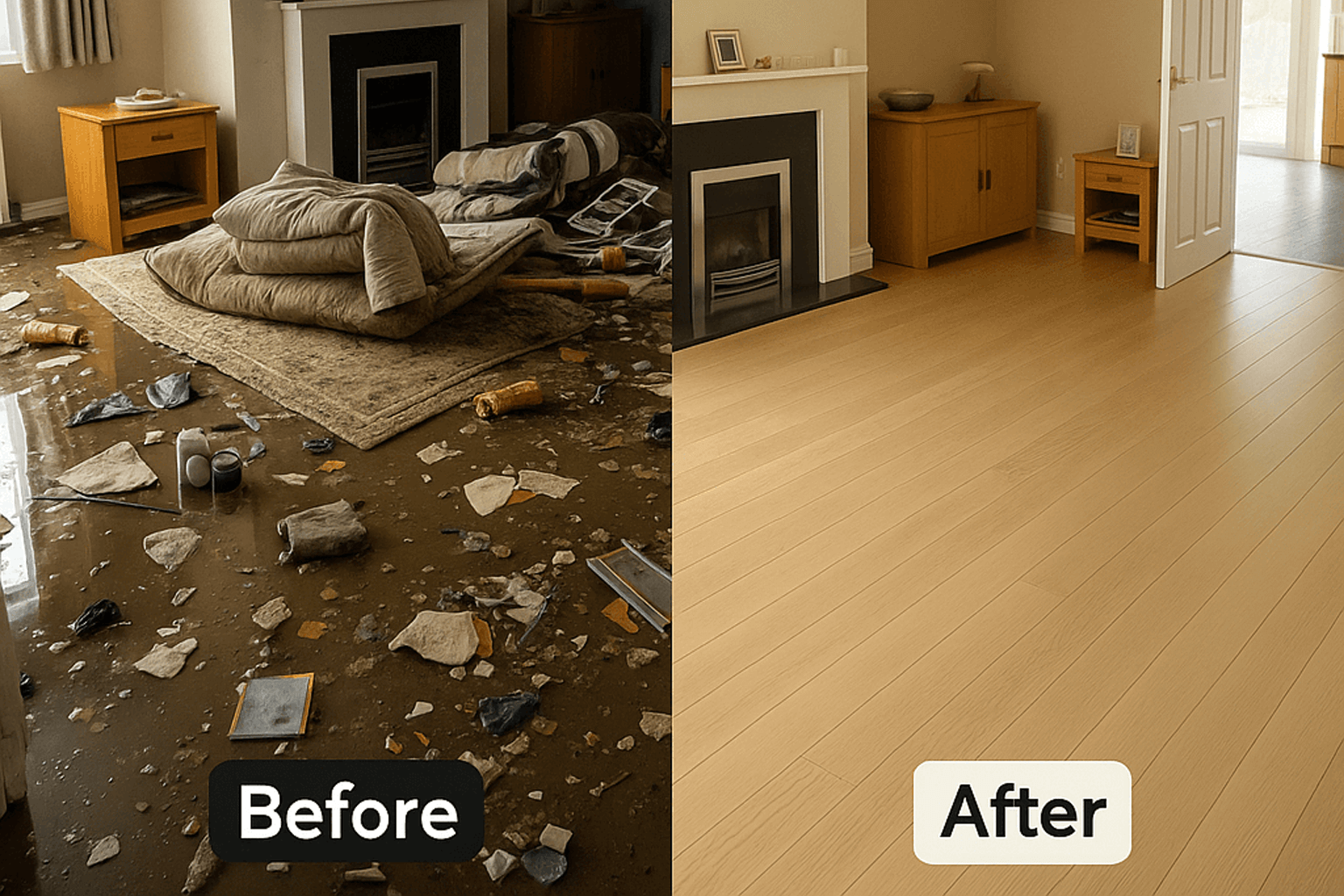
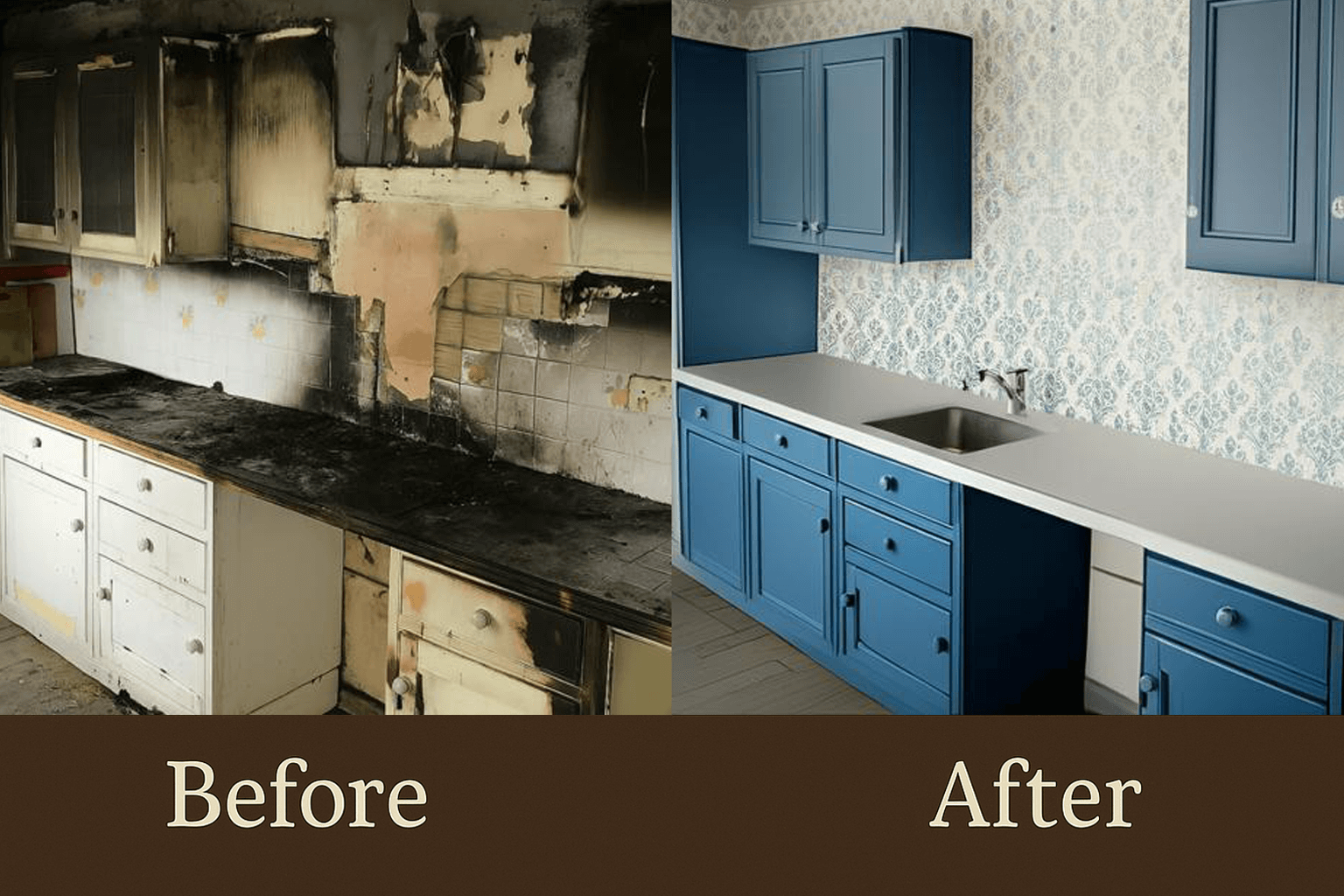
Even once the fire is extinguished, the dangers persist. Smoke damage, soot, and persistent odours can render a property hazardous. Swift action is essential to reduce health risks and prevent structural deterioration.
Professional Fire Damage Clean-Up Services
At Anke Damp Proofing, we provide comprehensive fire restoration solutions, including:
- Soot and ash removal using HEPA filtration systems
- Deep decontamination of affected areas
- Advanced smoke odour elimination using our exclusive BIOSWEEP® technology
Conclusion: Fire Safety Starts With Knowledge
Understanding the different classes of fire and using the correct extinguisher can prevent injuries, save lives, and protect property. Whether you’re at home, managing a workplace, or operating in a commercial kitchen, preparation is key.
If you’ve experienced fire damage or want to improve your fire safety measures, contact our experts today. We’re here to help restore your property — safely, efficiently, and professionally.
Related articles
At a glance
Using the wrong type of fire extinguisher can worsen the fire, potentially causing explosions, spreading flames, or even resulting in electric shock. That’s why fire safety training and awareness of fire classes are essential — whether at home, in the workplace, or in industrial environments.
Below, we break down each fire class and the appropriate methods to tackle them safely and effectively.
The Six Classes of Fire (UK Classification)
Class A – Fires Involving Solid Combustible Materials
These are the most common fires and involve everyday materials such as:
- Paper
- Wood
- Textiles
- Plastics
Recommended extinguishers:
- Water extinguishers (red label) — effectively cool and suppress flames.
- Foam extinguishers (cream label) — also suitable for Class A fires.
Class B – Fires Involving Flammable Liquids
Typical fuels include:
- Petrol
- Diesel
- Alcohol
- Paint
- Oil-based products
Recommended extinguishers:
- Foam extinguishers (cream label) — create a smothering barrier to cut off oxygen.
- CO₂ extinguishers (black label) — displace oxygen and cool the fire.
- Dry powder extinguishers (blue label) — effective but should be used cautiously indoors.
Class C – Fires Involving Flammable Gases
Common gases include:
- Propane
- Butane
- Methane
Action and extinguishers:
- First step: Turn off the gas supply immediately if it is safe to do so.
- Dry powder extinguishers (blue label) — best suited for extinguishing gas fires.
- Avoid using water or foam, which may cause the flames to spread.
Class D – Fires Involving Flammable Metals
Rare but serious, Class D fires involve metals such as:
- Magnesium
- Aluminium
- Lithium
- Titanium
Recommended extinguishers:
- Specialised dry powder extinguishers (often labelled L2 or M28) — specifically designed for metal fires.
- Never use water — it can cause violent explosions.
Class E – Fires Involving Electrical Equipment (Not officially recognised as a separate class but still widely referred to)
Includes:
- Computers
- Phone chargers
- Electrical wiring
- Circuit boards
Recommended extinguishers:
- CO₂ extinguishers (black label) — leave no residue and are safe on electrical fires.
- Dry powder extinguishers (blue label) — can be used but may damage electronics.
- Avoid water-based extinguishers on live electrical equipment.
Class F – Fires Involving Cooking Oils and Fats
Typically found in commercial and domestic kitchens, involving:
- Deep-fat fryers
- Vegetable oil
- Animal fats
Recommended extinguishers:
- Wet chemical extinguishers (yellow label) — cool the burning oil and form a seal to prevent reignition.
- Never use water — it can cause explosive reactions and spread the fire.
UK Fire Extinguisher Colour Coding Guide
| Extinguisher Type | Label Colour | Suitable For |
|---|---|---|
| Water | Red | Class A fires |
| Foam | Cream | Class A and B fires |
| CO₂ | Black | Class B and electrical fires |
| Dry Powder | Blue | Classes A, B, C, D and electrical fires |
| Wet Chemical | Yellow | Class A and F fires |
Knowing the colour coding helps avoid mistakes during emergencies. Training staff, tenants, or family members on extinguisher use can be lifesaving.
UK Fire Statistics at a Glance
Understanding the scope of fire-related incidents highlights the importance of proper classification and extinguisher use:
- Over 150,000 fires were attended by UK fire services in 2022.
- 27,000 of these were dwelling fires, with 300 fire-related fatalities.
- Cooking appliances were responsible for 48% of accidental dwelling fires.
- Electrical issues (e.g. wiring and appliances) accounted for 15% of fires.
These figures stress the need for preventative measures and immediate, informed action during fire emergencies.
What Happens After a Fire?
Even once the fire is extinguished, the dangers persist. Smoke damage, soot, and persistent odours can render a property hazardous. Swift action is essential to reduce health risks and prevent structural deterioration.
Professional Fire Damage Clean-Up Services
At Anke Damp Proofing, we provide comprehensive fire restoration solutions, including:
- Soot and ash removal using HEPA filtration systems
- Deep decontamination of affected areas
- Advanced smoke odour elimination using our exclusive BIOSWEEP® technology
Conclusion: Fire Safety Starts With Knowledge
Understanding the different classes of fire and using the correct extinguisher can prevent injuries, save lives, and protect property. Whether you’re at home, managing a workplace, or operating in a commercial kitchen, preparation is key.
If you’ve experienced fire damage or want to improve your fire safety measures, contact our experts today. We’re here to help restore your property — safely, efficiently, and professionally.