What Is Basement Waterproofing and Tanking?
If your basement feels a bit damp, smells earthy or simply doesn’t feel like a usable part of your home, moisture is probably the culprit. Basement waterproofing — often referred to as tanking — is designed to control that moisture before it causes serious problems.

Why you can trust our content
At a glance
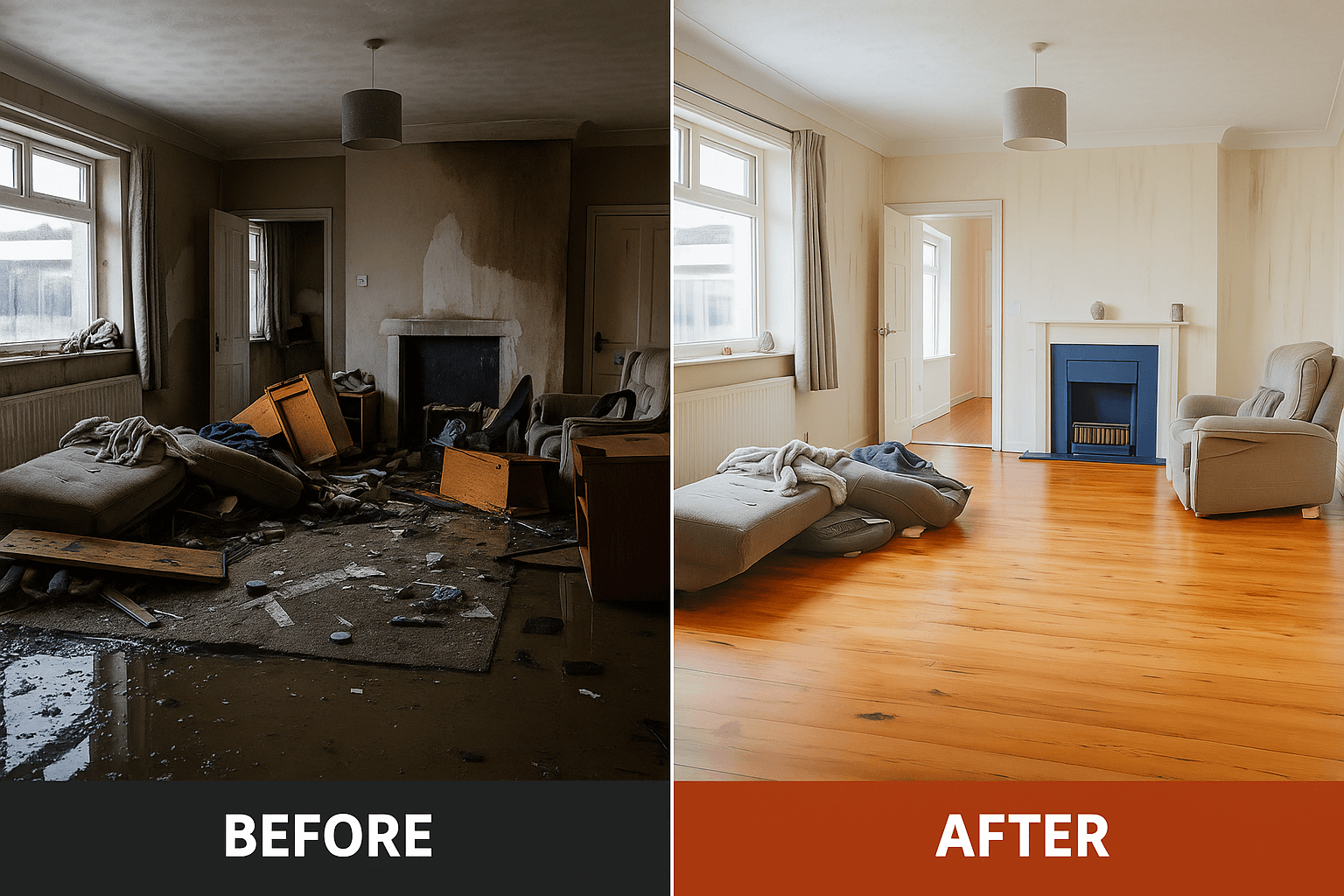
Many homeowners delay dealing with basement damp because it’s out of sight or doesn’t seem urgent. But below-ground moisture issues rarely stay isolated. Over time, they can affect your home’s structure, indoor air quality and overall condition, especially in older properties across Hertfordshire, Essex, Bedfordshire and North London.
Basement Waterproofing Explained
Basement waterproofing is the process of preventing water and excess moisture from entering below-ground areas of your home. Unlike surface-level damp treatments, waterproofing focuses on controlling water that naturally surrounds your property underground.
Its purpose is to:
- Stop water penetrating through walls and floors
- Manage moisture pressure from surrounding soil
- Create a stable, dry environment below ground
This is essential because basements are constantly exposed to moisture from the outside, even when there’s no visible flooding.
What Does “Basement Tanking” Mean?
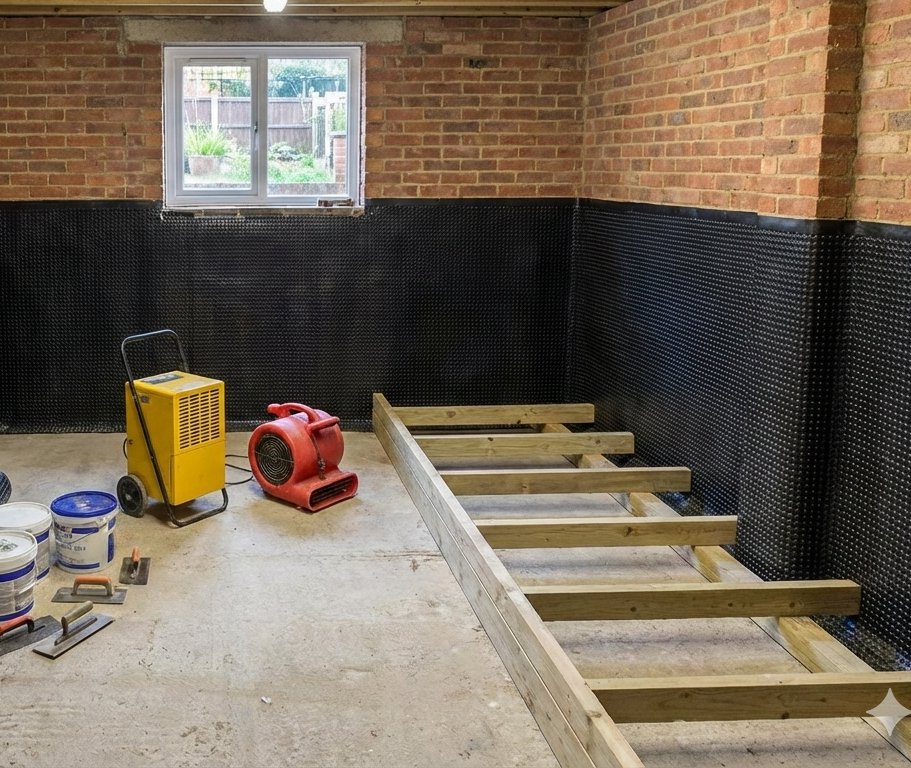
Basement tanking is one of the most common and effective forms of basement waterproofing. The term comes from the idea of creating a sealed “tank” inside your basement.
Tanking involves applying a waterproof coating or system directly to the internal walls and floors. Once cured, it forms a continuous barrier that prevents water from passing through the structure.
In simple terms:
- Water is stopped at the wall surface
- Moisture cannot seep into the room
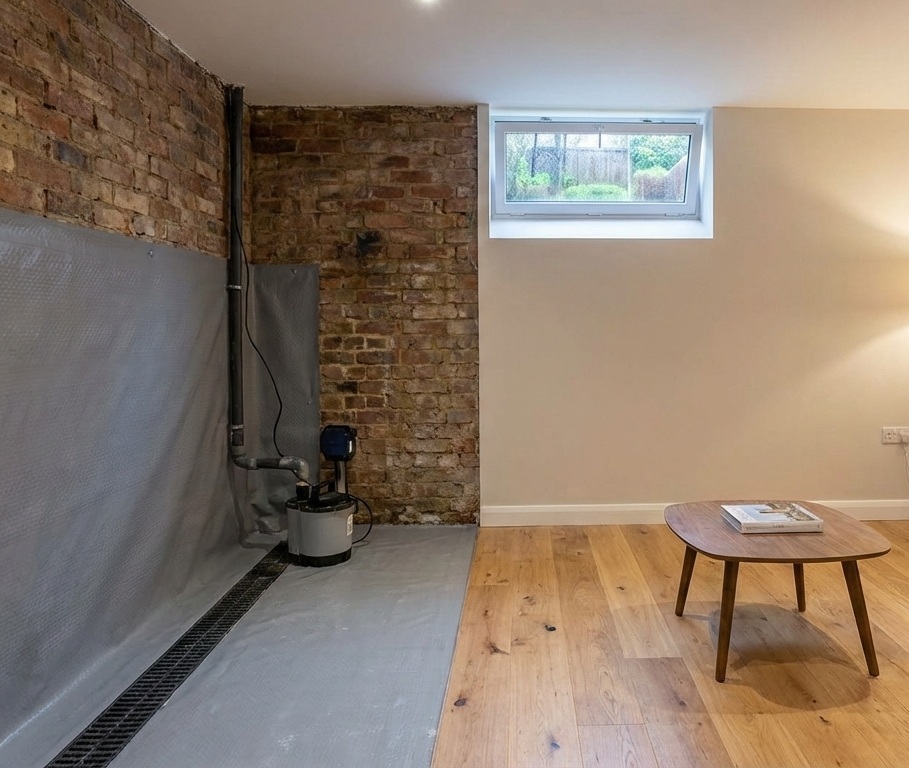
- The basement remains dry and protected
Tanking is particularly well suited to certain property types and is commonly used in homes across North London and surrounding counties where basements were not originally built for living space.
Why Basements Are Naturally at Risk of Damp
Basements behave very differently from rooms above ground. Because they sit below the water table, they are under constant pressure from moisture in the surrounding soil.
This means:
- Water is always trying to move inward
- Walls and floors are exposed from all sides
- Natural drying is limited
- Ventilation is often poor
Even small weaknesses in the structure can allow moisture through, which is why tanking and other waterproofing systems are so important.
Why Basement Waterproofing and Tanking Matters
Basement waterproofing isn’t just about comfort — it’s about protection. Even low-level damp can cause long-term problems if ignored.
Waterproofing and tanking matter because they:
- Prevent deterioration of walls and floors
- Protect the structural integrity of your home
- Reduce conditions that encourage mould
- Stop damp spreading into upper floors
Basements in Hertfordshire, Essex and Bedfordshire were usually built decades ago using materials that were never designed to resist modern moisture levels.
The Consequences of Ignoring Basement Damp
Putting off basement waterproofing often leads to far bigger issues later on.
Structural Damage Over Time
Moisture slowly weakens masonry, concrete and mortar. What starts as damp patches can develop into cracking, crumbling surfaces and compromised structural elements.
Ongoing Mould Problems
Damp basements are ideal environments for mould and fungal growth. Once present, spores can travel through the house, affecting air quality well beyond the basement itself.
Damage to Internal Finishes
Plaster breaks down, paint blisters, floor coverings lift and timber begins to decay. Repeated redecorating won’t solve the problem if moisture is still present.
Electrical and Safety Concerns
Persistent damp increases the risk of corrosion to wiring and electrical fittings, creating potential safety hazards over time.
An Unusable Space
A damp basement often becomes a no-go area — not because of its size, but because it feels cold, unhealthy and unreliable.
Why Tanking Is Not a DIY Job
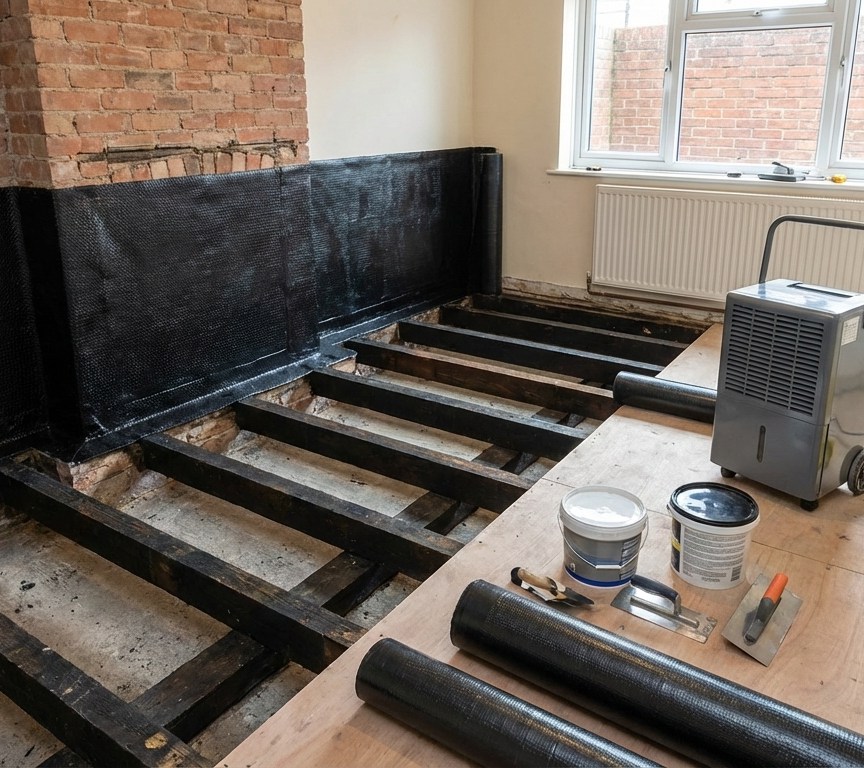
Basement tanking needs to be installed correctly to work. Poor preparation, incorrect materials or gaps in coverage can cause the system to fail.
Professional tanking:
- Takes account of water pressure
- Uses specialist materials designed for below-ground use
- Ensures full wall and floor coverage
- Is tailored to the property’s construction
This is especially important for older homes in Hertfordshire, Bedfordshire and North London, where traditional materials require specialist knowledge.
Basement Waterproofing as Preventative Protection
One of the biggest advantages of waterproofing and tanking is prevention. Instead of waiting for visible damage, tanking stops moisture before it becomes destructive.
Preventative waterproofing:
- Protects hidden structural elements
- Reduces future repair needs
- Creates a consistent internal environment
- Keeps options open for future use of the space
Even if your basement is only used for storage, keeping it dry protects the rest of your home.
Why Choose Anke Dampproofing?
Basement waterproofing and tanking require experience, attention to detail and an understanding of local property types. Anke Dampproofing works with homeowners across Hertfordshire, Essex, Bedfordshire and North London, providing tailored solutions that address moisture problems at their source.
Their approach ensures your basement is protected properly — not temporarily patched.
Protect Your Home Before Damp Takes Hold
Basement damp rarely fixes itself, but it often becomes more damaging over time. Waterproofing and tanking are about safeguarding your home, preserving its structure and ensuring every part of the property works as it should.
Contact Anke Damp Proofing today for expert advice on basement waterproofing and tanking across Hertfordshire, Essex, Bedfordshire and North London. Stop damp before it spreads and protect your home for the long term.
Related articles
At a glance
Many homeowners delay dealing with basement damp because it’s out of sight or doesn’t seem urgent. But below-ground moisture issues rarely stay isolated. Over time, they can affect your home’s structure, indoor air quality and overall condition, especially in older properties across Hertfordshire, Essex, Bedfordshire and North London.
Basement Waterproofing Explained
Basement waterproofing is the process of preventing water and excess moisture from entering below-ground areas of your home. Unlike surface-level damp treatments, waterproofing focuses on controlling water that naturally surrounds your property underground.
Its purpose is to:
- Stop water penetrating through walls and floors
- Manage moisture pressure from surrounding soil
- Create a stable, dry environment below ground
This is essential because basements are constantly exposed to moisture from the outside, even when there’s no visible flooding.
What Does “Basement Tanking” Mean?
Basement tanking is one of the most common and effective forms of basement waterproofing. The term comes from the idea of creating a sealed “tank” inside your basement.
Tanking involves applying a waterproof coating or system directly to the internal walls and floors. Once cured, it forms a continuous barrier that prevents water from passing through the structure.
In simple terms:
- Water is stopped at the wall surface
- Moisture cannot seep into the room
- The basement remains dry and protected
Tanking is particularly well suited to certain property types and is commonly used in homes across North London and surrounding counties where basements were not originally built for living space.
Why Basements Are Naturally at Risk of Damp
Basements behave very differently from rooms above ground. Because they sit below the water table, they are under constant pressure from moisture in the surrounding soil.
This means:
- Water is always trying to move inward
- Walls and floors are exposed from all sides
- Natural drying is limited
- Ventilation is often poor
Even small weaknesses in the structure can allow moisture through, which is why tanking and other waterproofing systems are so important.
Why Basement Waterproofing and Tanking Matters
Basement waterproofing isn’t just about comfort — it’s about protection. Even low-level damp can cause long-term problems if ignored.
Waterproofing and tanking matter because they:
- Prevent deterioration of walls and floors
- Protect the structural integrity of your home
- Reduce conditions that encourage mould
- Stop damp spreading into upper floors
Basements in Hertfordshire, Essex and Bedfordshire were usually built decades ago using materials that were never designed to resist modern moisture levels.
The Consequences of Ignoring Basement Damp
Putting off basement waterproofing often leads to far bigger issues later on.
Structural Damage Over Time
Moisture slowly weakens masonry, concrete and mortar. What starts as damp patches can develop into cracking, crumbling surfaces and compromised structural elements.
Ongoing Mould Problems
Damp basements are ideal environments for mould and fungal growth. Once present, spores can travel through the house, affecting air quality well beyond the basement itself.
Damage to Internal Finishes
Plaster breaks down, paint blisters, floor coverings lift and timber begins to decay. Repeated redecorating won’t solve the problem if moisture is still present.
Electrical and Safety Concerns
Persistent damp increases the risk of corrosion to wiring and electrical fittings, creating potential safety hazards over time.
An Unusable Space
A damp basement often becomes a no-go area — not because of its size, but because it feels cold, unhealthy and unreliable.
Why Tanking Is Not a DIY Job
Basement tanking needs to be installed correctly to work. Poor preparation, incorrect materials or gaps in coverage can cause the system to fail.
Professional tanking:
- Takes account of water pressure
- Uses specialist materials designed for below-ground use
- Ensures full wall and floor coverage
- Is tailored to the property’s construction
This is especially important for older homes in Hertfordshire, Bedfordshire and North London, where traditional materials require specialist knowledge.
Basement Waterproofing as Preventative Protection
One of the biggest advantages of waterproofing and tanking is prevention. Instead of waiting for visible damage, tanking stops moisture before it becomes destructive.
Preventative waterproofing:
- Protects hidden structural elements
- Reduces future repair needs
- Creates a consistent internal environment
- Keeps options open for future use of the space
Even if your basement is only used for storage, keeping it dry protects the rest of your home.
Why Choose Anke Dampproofing?
Basement waterproofing and tanking require experience, attention to detail and an understanding of local property types. Anke Dampproofing works with homeowners across Hertfordshire, Essex, Bedfordshire and North London, providing tailored solutions that address moisture problems at their source.
Their approach ensures your basement is protected properly — not temporarily patched.
Protect Your Home Before Damp Takes Hold
Basement damp rarely fixes itself, but it often becomes more damaging over time. Waterproofing and tanking are about safeguarding your home, preserving its structure and ensuring every part of the property works as it should.
Contact Anke Damp Proofing today for expert advice on basement waterproofing and tanking across Hertfordshire, Essex, Bedfordshire and North London. Stop damp before it spreads and protect your home for the long term.