Fire Damage Restoration in the UK: Costs, Process & What to Expect
A fire can be one of the most traumatic and devastating events a property owner may ever experience. Whether it’s a minor kitchen fire or a large-scale structural blaze, the aftermath can be overwhelming.

Why you can trust our content
At a glance
The flames are only the beginning — the resulting smoke, soot, and water damage add to the complexity of restoration.
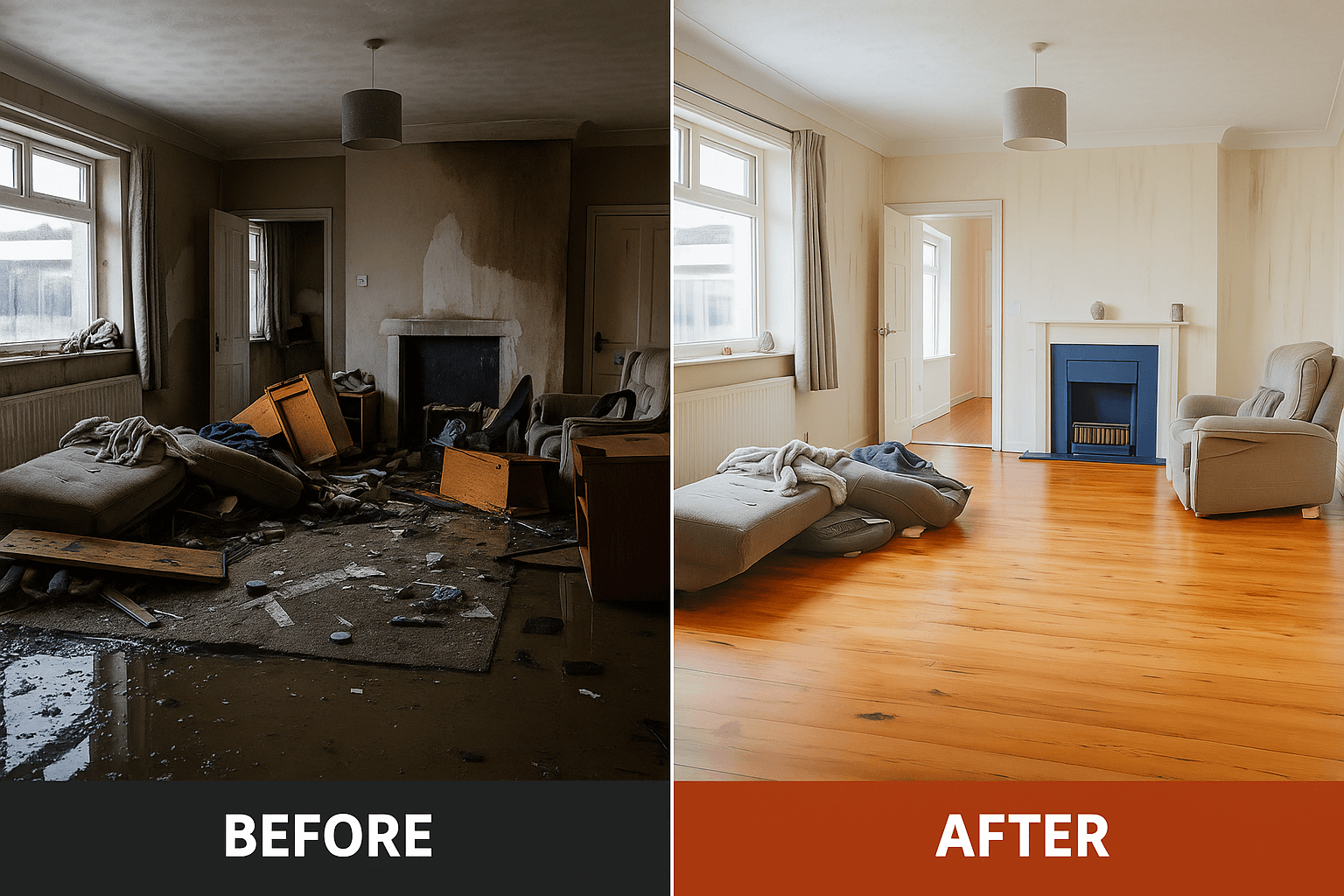
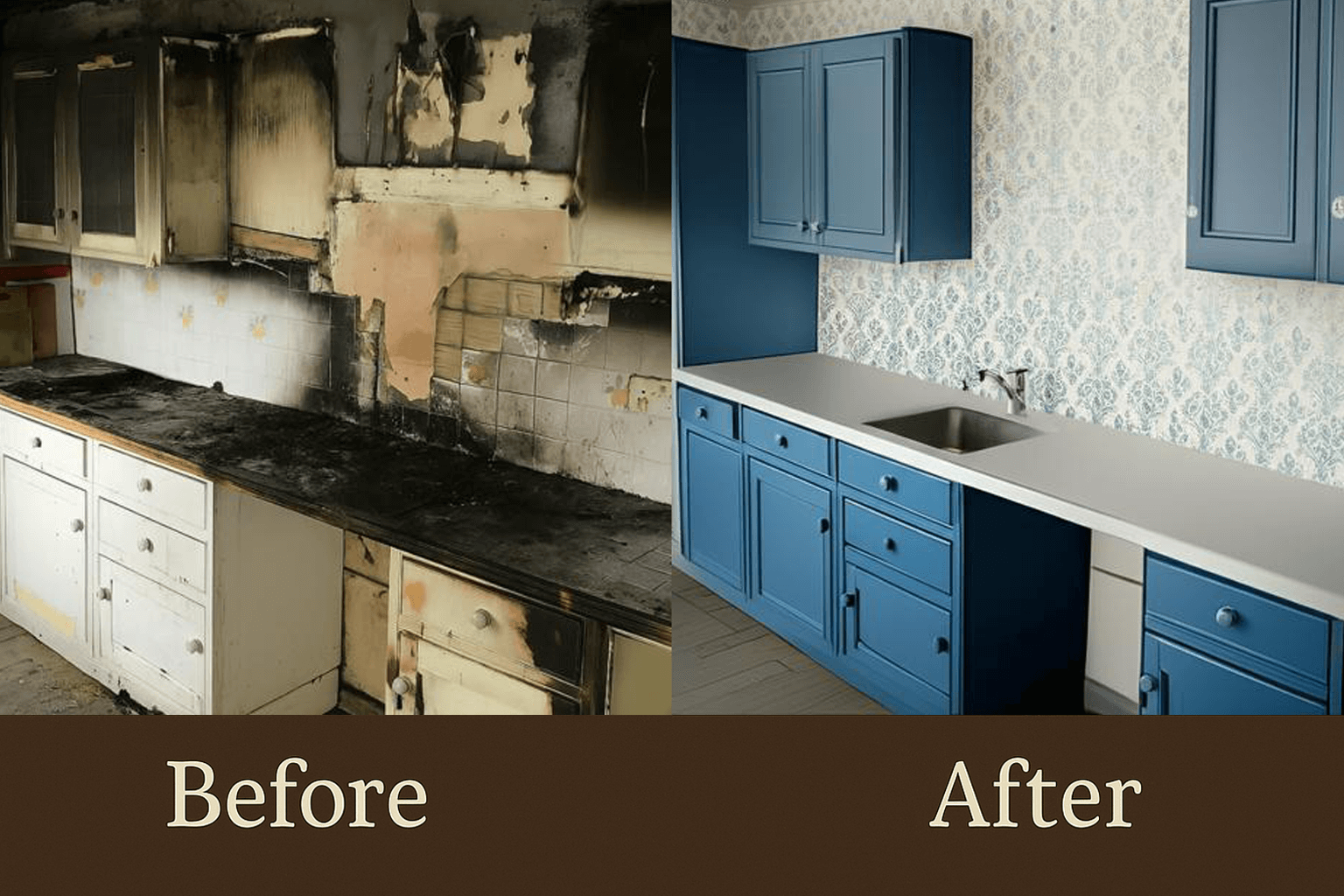
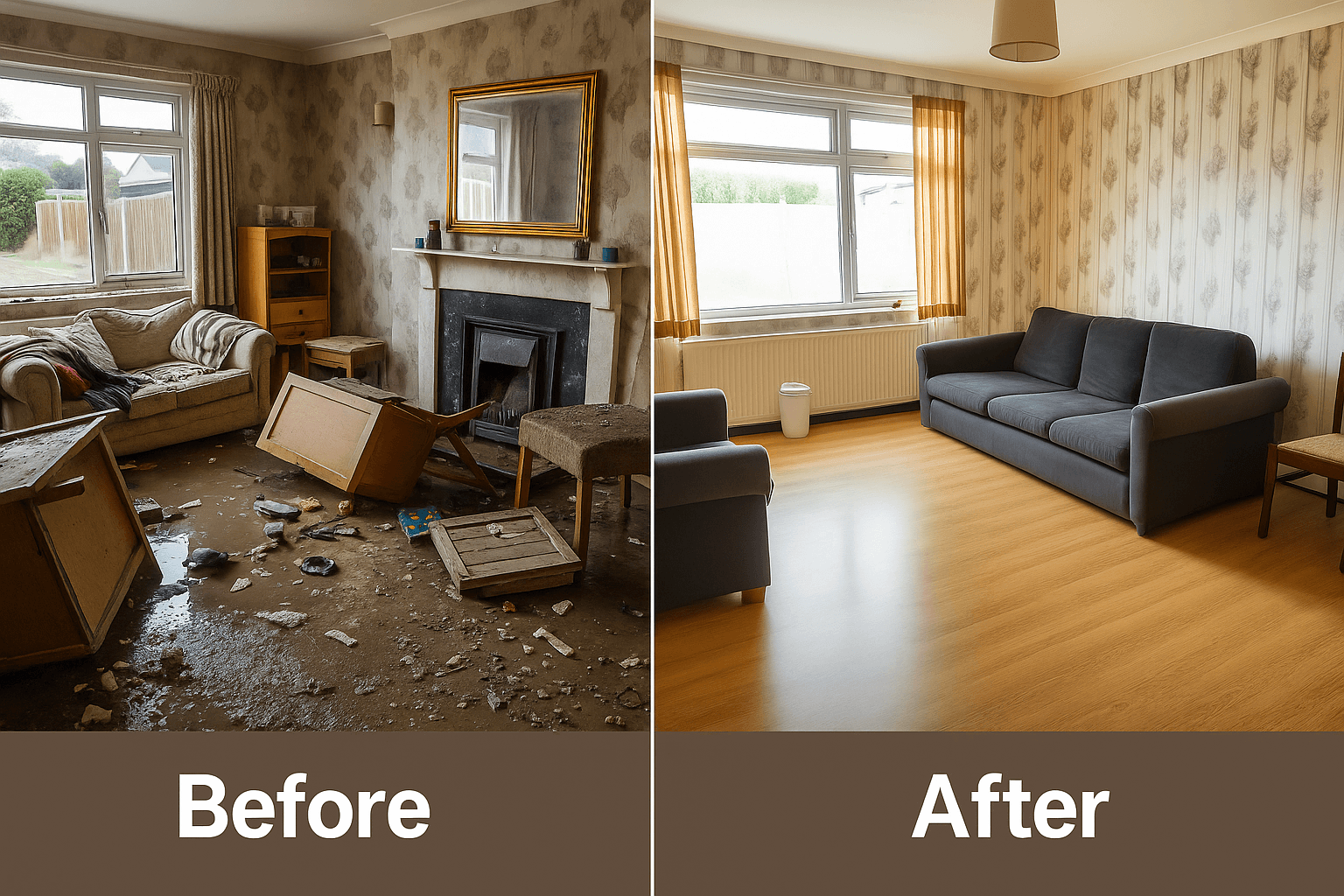
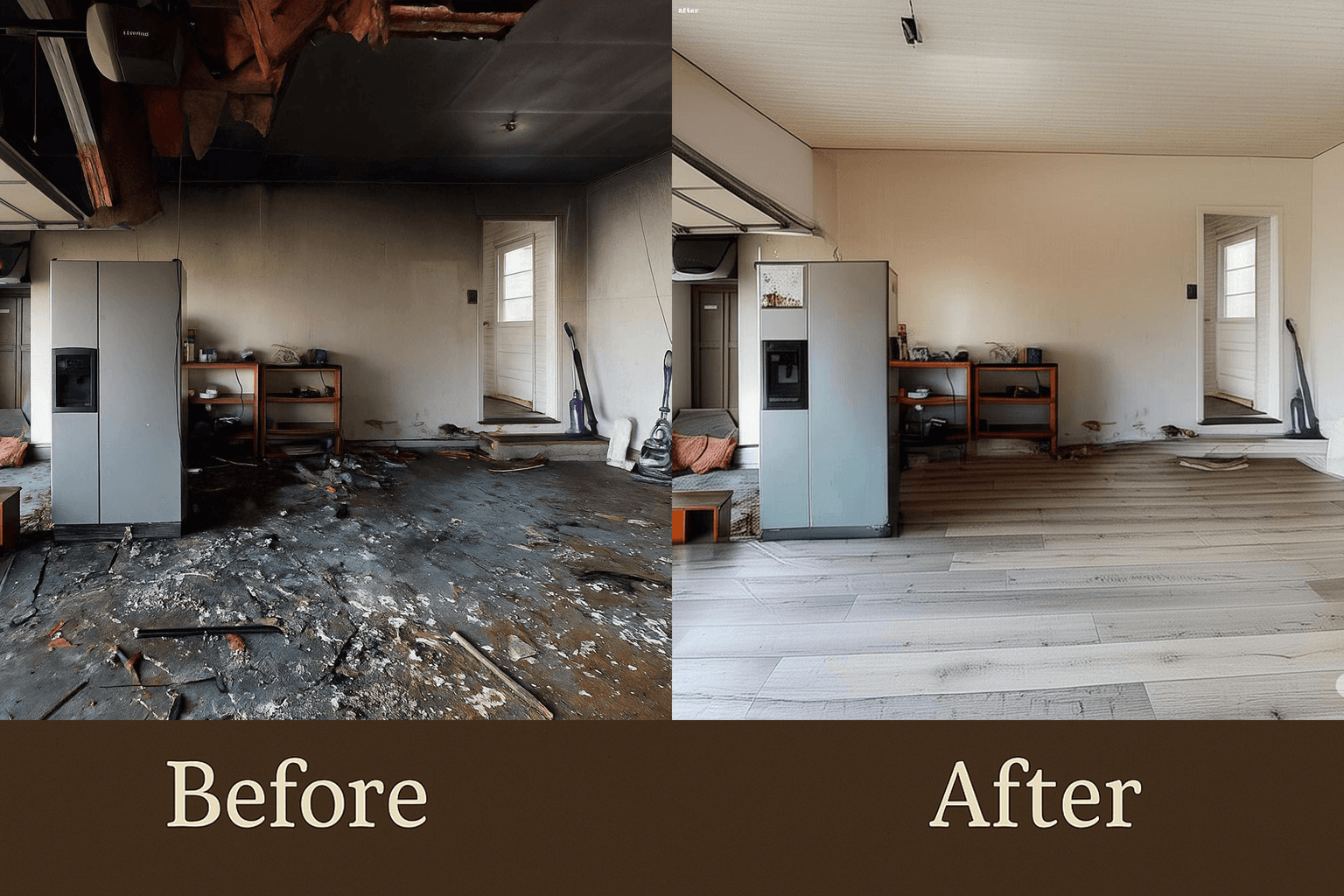
Fire damage restoration refers to the process of returning a property to its pre-fire condition. This includes smoke and soot removal, odour neutralisation, structural repairs, and preventing secondary issues such as mould. But how much does fire damage restoration cost in the UK? And what factors influence the price?
In this article, we’ll explore:
- Fire statistics in the UK
- What fire damage restoration involves
- Typical costs for different levels of damage
- How insurance plays a role in the process
Fire Damage in the UK: Key Statistics
Understanding the scope of fire incidents helps underline the importance of swift and professional restoration:
- Over 28,000 dwelling fires were reported in England in 2023 (Home Office).
- 40% of fire-related deaths occurred in homes without working smoke alarms.
- Fire damage restoration costs range from £1,500 to £50,000+, depending on severity.
- The average fire restoration claim in the UK is between £10,000 and £20,000.
These figures highlight the need for prevention, preparedness, and prompt professional response.
What is Fire Damage Restoration?
Fire damage restoration is a specialised service that involves assessing, cleaning, and repairing fire-affected properties. Due to the toxic nature of fire residues and the technical knowledge required for safe removal and rebuilding, professional expertise is essential.
Key Stages of Fire Damage Restoration
1. Initial Assessment & Safety Inspection
- Restoration professionals inspect the property to evaluate structural damage, electrical hazards, and health risks.
- An insurance or loss adjuster may also assess the site for coverage eligibility.
2. Securing the Property
- Boarding up damaged windows, doors, and other access points prevents further loss or weather damage.
- Emergency roof coverings may be used if the structure has been compromised.
3. Smoke & Soot Removal
- Smoke and soot are corrosive and toxic. HEPA vacuums, chemical sponges, and pH testing help determine the appropriate cleaning method.
- Specialist techniques ensure safe removal from walls, ceilings, electronics, and soft furnishings.
4. Odour Neutralisation
- Persistent smoky odours are treated using advanced systems such as ozone treatment, thermal fogging, and hydroxyl generators.
5. Water & Moisture Removal
- Water from firefighting can lead to further damage if not addressed.
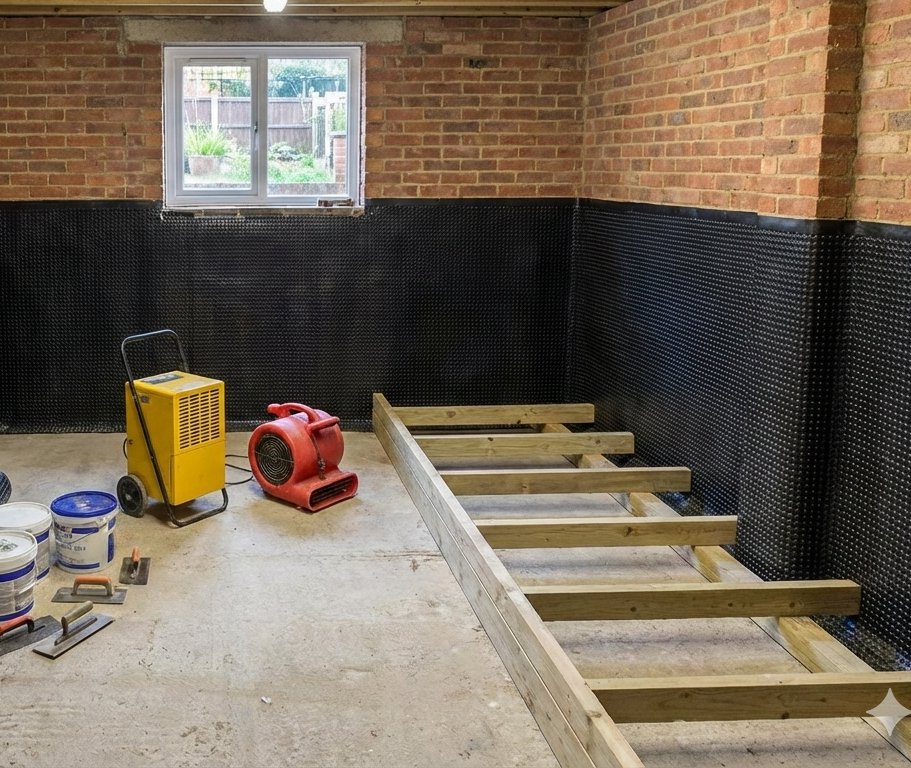
- High-powered extractors, dehumidifiers, and air movers are used to dry the property and prevent mould growth.
6. Structural Repairs & Rebuilding
- If the fire compromised the building’s structure, repairs or full rebuilds may be necessary — this can include walls, floors, ceilings, or even full rooms.
7. Final Deep Clean & Sanitisation
- Once structural and cosmetic work is complete, a final deep clean ensures the space is safe, habitable, and odour-free.
The Role of Insurance in Fire Restoration
Most UK home insurance policies cover fire damage, but coverage specifics can vary. It’s crucial to understand your policy’s terms and what’s included.
What Does a Loss Adjuster Do?
- Appointed by your insurer, a loss adjuster will visit the property to assess the damage and value the claim.
- They verify the incident against your policy and determine a fair settlement.
- Important: Do not dispose of damaged items until the adjuster has seen them.
Should You Hire a Loss Assessor?
- A loss assessor works for you — not the insurance company.
- They advocate for your interests, handle all paperwork, and negotiate the best possible settlement.
How to Choose the Right Fire Damage Restoration Provider
Choosing the right team can make a huge difference in recovery time and outcome. Look for:
- 24/7 Emergency Response — Speed matters in reducing damage.
- BDMA Accreditation — Ensures compliance with industry standards.
- Specialist Equipment — HEPA filters, ozone generators, thermal foggers, etc.
- Customer Reviews — Look for consistent quality and reliability.
- Insurance Liaison — Some companies manage the claim process for you.
Why Quick Fire Restoration is Crucial
- Health Risks: Smoke and soot contain hazardous chemicals linked to respiratory and skin conditions.
- Weakened Structures: Fire-compromised walls, floors, or beams may collapse.
- Mould Growth: Moisture left untreated can lead to mould within 24–48 hours.
Conclusion: Take Action, Stay Protected
Fire damage restoration is a complex, urgent process that requires professional handling. Acting quickly not only reduces the financial burden but also protects your health and home from further risks.
Need help? Contact Anke Damp Proofing today. Our expert fire restoration team is available 24/7 to assess, restore, and help you reclaim your property.
Related articles
At a glance
The flames are only the beginning — the resulting smoke, soot, and water damage add to the complexity of restoration.
Fire damage restoration refers to the process of returning a property to its pre-fire condition. This includes smoke and soot removal, odour neutralisation, structural repairs, and preventing secondary issues such as mould. But how much does fire damage restoration cost in the UK? And what factors influence the price?
In this article, we’ll explore:
- Fire statistics in the UK
- What fire damage restoration involves
- Typical costs for different levels of damage
- How insurance plays a role in the process
Fire Damage in the UK: Key Statistics
Understanding the scope of fire incidents helps underline the importance of swift and professional restoration:
- Over 28,000 dwelling fires were reported in England in 2023 (Home Office).
- 40% of fire-related deaths occurred in homes without working smoke alarms.
- Fire damage restoration costs range from £1,500 to £50,000+, depending on severity.
- The average fire restoration claim in the UK is between £10,000 and £20,000.
These figures highlight the need for prevention, preparedness, and prompt professional response.
What is Fire Damage Restoration?
Fire damage restoration is a specialised service that involves assessing, cleaning, and repairing fire-affected properties. Due to the toxic nature of fire residues and the technical knowledge required for safe removal and rebuilding, professional expertise is essential.
Key Stages of Fire Damage Restoration
1. Initial Assessment & Safety Inspection
- Restoration professionals inspect the property to evaluate structural damage, electrical hazards, and health risks.
- An insurance or loss adjuster may also assess the site for coverage eligibility.
2. Securing the Property
- Boarding up damaged windows, doors, and other access points prevents further loss or weather damage.
- Emergency roof coverings may be used if the structure has been compromised.
3. Smoke & Soot Removal
- Smoke and soot are corrosive and toxic. HEPA vacuums, chemical sponges, and pH testing help determine the appropriate cleaning method.
- Specialist techniques ensure safe removal from walls, ceilings, electronics, and soft furnishings.
4. Odour Neutralisation
- Persistent smoky odours are treated using advanced systems such as ozone treatment, thermal fogging, and hydroxyl generators.
5. Water & Moisture Removal
- Water from firefighting can lead to further damage if not addressed.
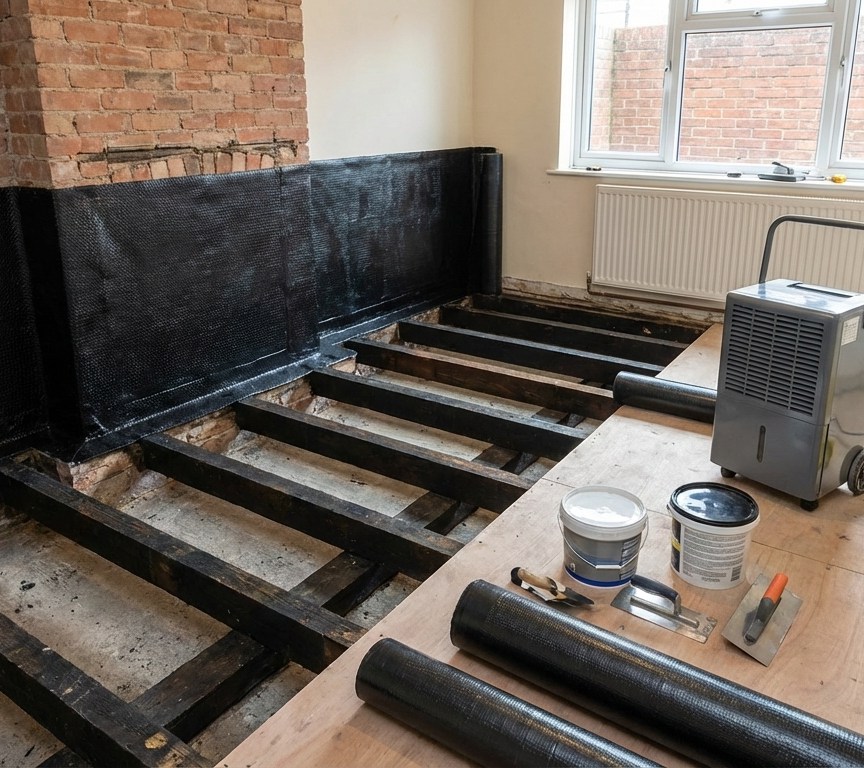
- High-powered extractors, dehumidifiers, and air movers are used to dry the property and prevent mould growth.
6. Structural Repairs & Rebuilding
- If the fire compromised the building’s structure, repairs or full rebuilds may be necessary — this can include walls, floors, ceilings, or even full rooms.
7. Final Deep Clean & Sanitisation
- Once structural and cosmetic work is complete, a final deep clean ensures the space is safe, habitable, and odour-free.
The Role of Insurance in Fire Restoration
Most UK home insurance policies cover fire damage, but coverage specifics can vary. It’s crucial to understand your policy’s terms and what’s included.
What Does a Loss Adjuster Do?
- Appointed by your insurer, a loss adjuster will visit the property to assess the damage and value the claim.
- They verify the incident against your policy and determine a fair settlement.
- Important: Do not dispose of damaged items until the adjuster has seen them.
Should You Hire a Loss Assessor?
- A loss assessor works for you — not the insurance company.
- They advocate for your interests, handle all paperwork, and negotiate the best possible settlement.
How to Choose the Right Fire Damage Restoration Provider
Choosing the right team can make a huge difference in recovery time and outcome. Look for:
- 24/7 Emergency Response — Speed matters in reducing damage.
- BDMA Accreditation — Ensures compliance with industry standards.
- Specialist Equipment — HEPA filters, ozone generators, thermal foggers, etc.
- Customer Reviews — Look for consistent quality and reliability.
- Insurance Liaison — Some companies manage the claim process for you.
Why Quick Fire Restoration is Crucial
- Health Risks: Smoke and soot contain hazardous chemicals linked to respiratory and skin conditions.
- Weakened Structures: Fire-compromised walls, floors, or beams may collapse.
- Mould Growth: Moisture left untreated can lead to mould within 24–48 hours.
Conclusion: Take Action, Stay Protected
Fire damage restoration is a complex, urgent process that requires professional handling. Acting quickly not only reduces the financial burden but also protects your health and home from further risks.
Need help? Contact Anke Damp Proofing today. Our expert fire restoration team is available 24/7 to assess, restore, and help you reclaim your property.