How to Dry a Water-Damaged Carpet After a Flood or Leak
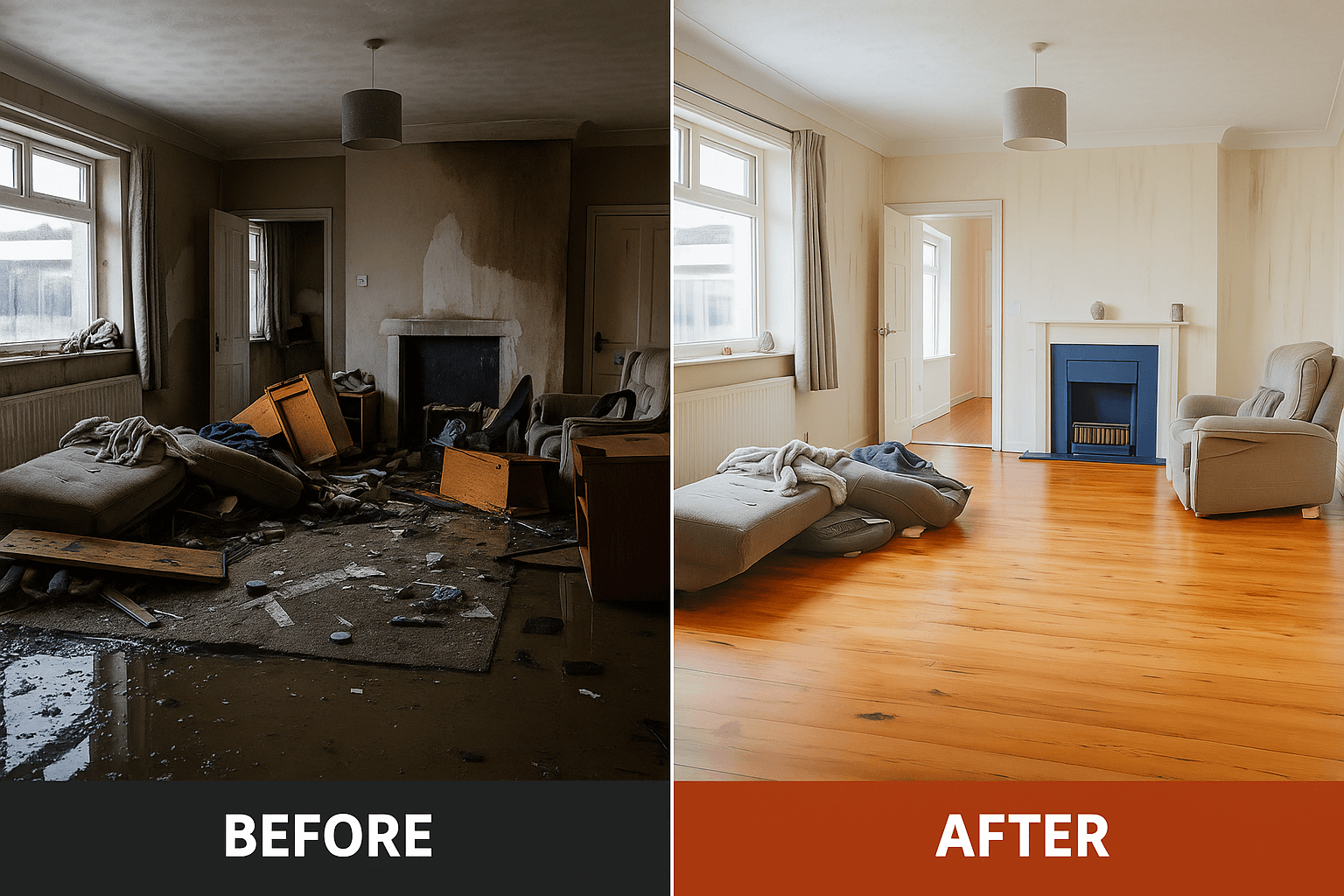
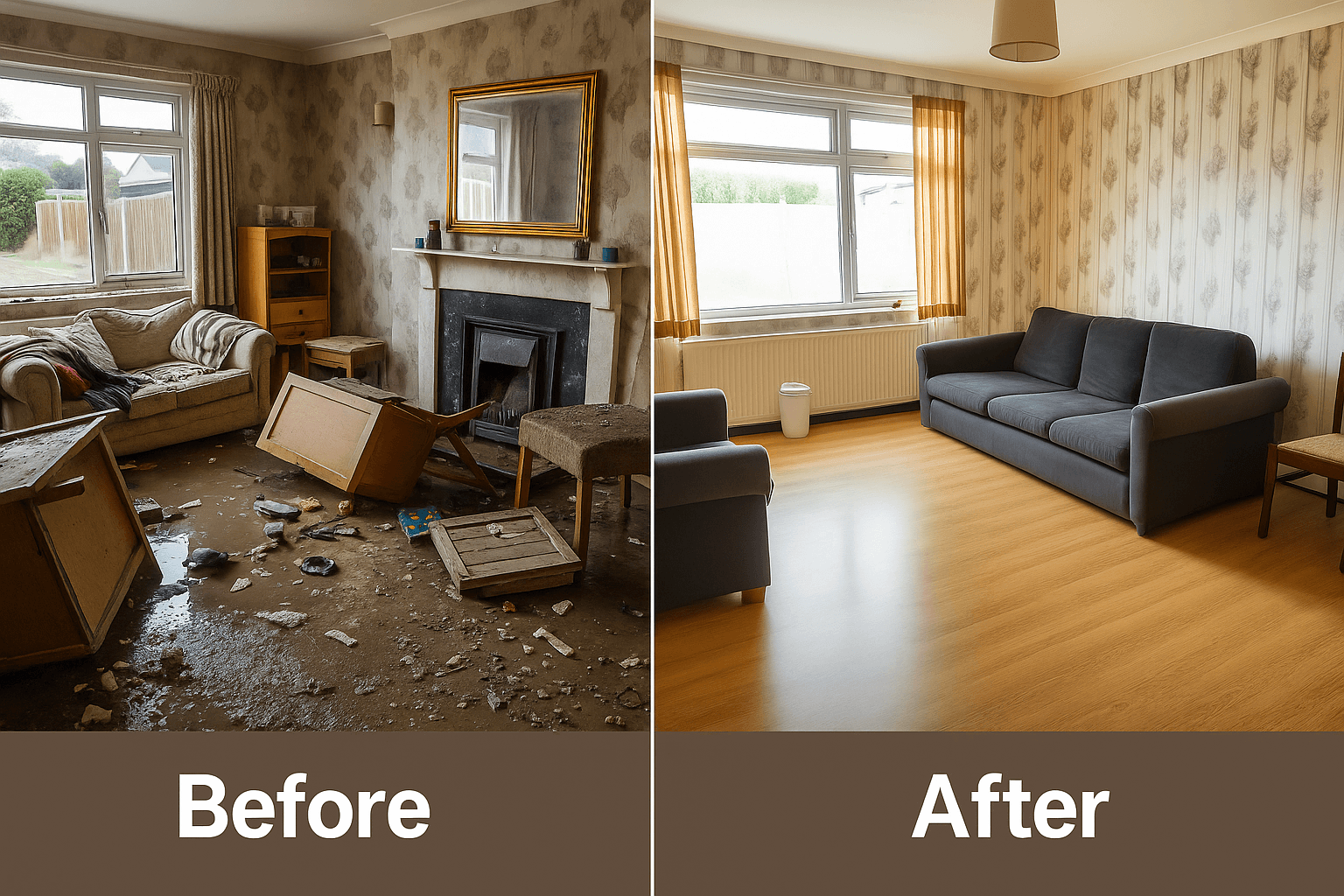
Whether your property has suffered from a burst pipe, appliance failure, or flood damage, drying a water-damaged carpet quickly is essential. Acting promptly can help prevent hidden issues like mould growth, lingering odours, and long-term structural damage.

Why you can trust our content
At a glance
In this guide, we explain step-by-step how to dry a wet carpet properly and restore your space safely and efficiently.
1. Remove Furniture
Before starting any drying process, clear the area of all furniture and belongings. Damp furniture can trap moisture beneath it and slow the drying process, increasing the risk of mould.
- Move items to a dry, safe area or temporary storage.
- Clean furniture surfaces to prevent contamination from spreading.
- Upholstery or wooden furniture in contact with the wet carpet may also need separate drying or treatment.
2. Extract the Water
Quick water extraction is crucial to limit the spread of moisture to subfloors, walls, and surrounding areas.
a. Pump Out Standing Water
For significant flooding, towels or mops won’t be enough. Use suction pumps or wet vacuums to extract large volumes of water efficiently.
- Suction drying helps reduce saturation in the carpet, underlay, and subfloor.
- This step must be completed promptly — do not leave water overnight.
b. Use a Carpet Cleaner with Extraction Function
Many domestic carpet cleaners have built-in water extraction features.
c. Use Air Movers and Dehumidifiers
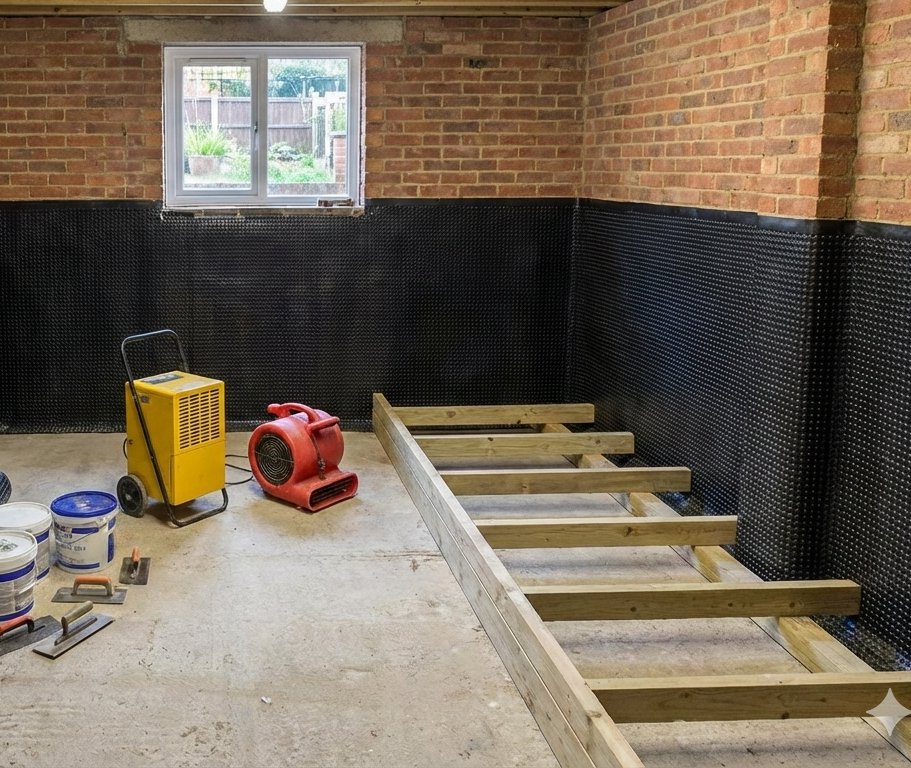
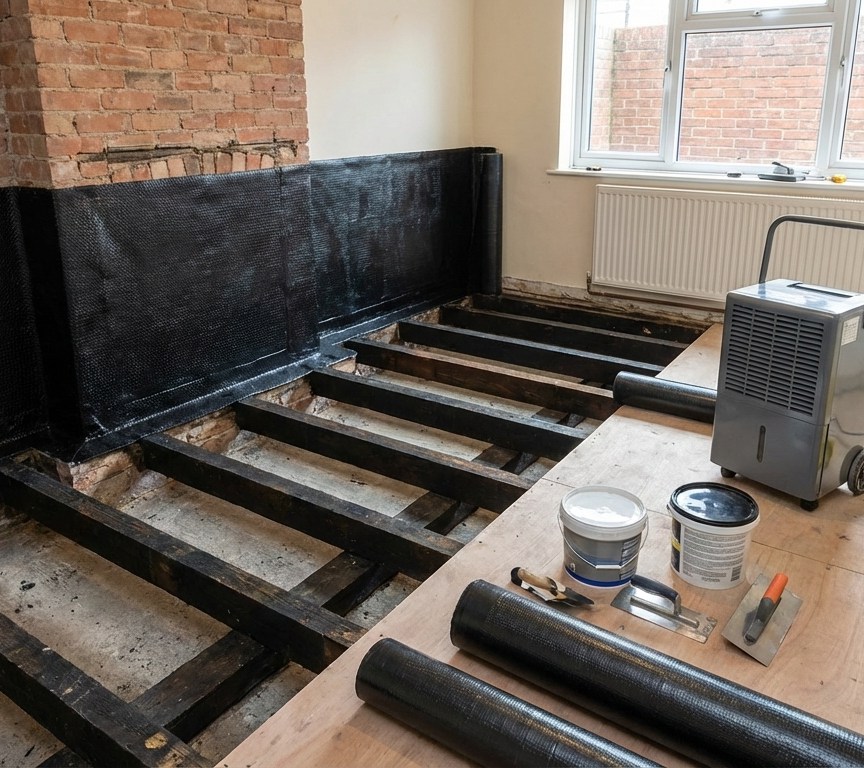
Once excess water is removed, use air movers to circulate air and dehumidifiers to pull moisture from the air.
- Industrial drying fans and dehumidifiers accelerate evaporation.
- Use multiple units if the room is large or the damage is widespread.
- This approach also helps eliminate musty smells and inhibits mould growth.
d. Inspect Carpet Layers
In cases of deep flooding, roll back the carpet and underlay to inspect the subfloor.
- Dry each layer individually using air movers and dehumidifiers.
- If the underlay or subfloor is heavily saturated or damaged, they may need replacing before reinstallation.
Tip: Our flood restoration experts can recommend the right drying equipment based on the scale of the water damage.
3. Remove Odours
Flooding often results in lingering smells from dampness or contaminated water. To tackle odours:
- Use a HEPA air scrubber — a professional air filtration system that removes particles and neutralises odours.
- Combine it with air movers to speed up evaporation and improve overall air quality.
This step is particularly useful after drying to ensure your home doesn’t retain a musty or unpleasant smell.
4. Watch Out for Contamination
Not all water damage is equal. If the source of flooding is sewage (black water) or grey water from appliances, professional decontamination is essential.
- Grey water contains chemicals and waste from washing machines, dishwashers, and baths.
- Black water contains dangerous pathogens and requires expert biohazard treatment.
- Contaminated carpets and underlays may need to be disposed of safely.
Health and safety are paramount — avoid contact with contaminated water and seek specialist assistance.
Final Thoughts
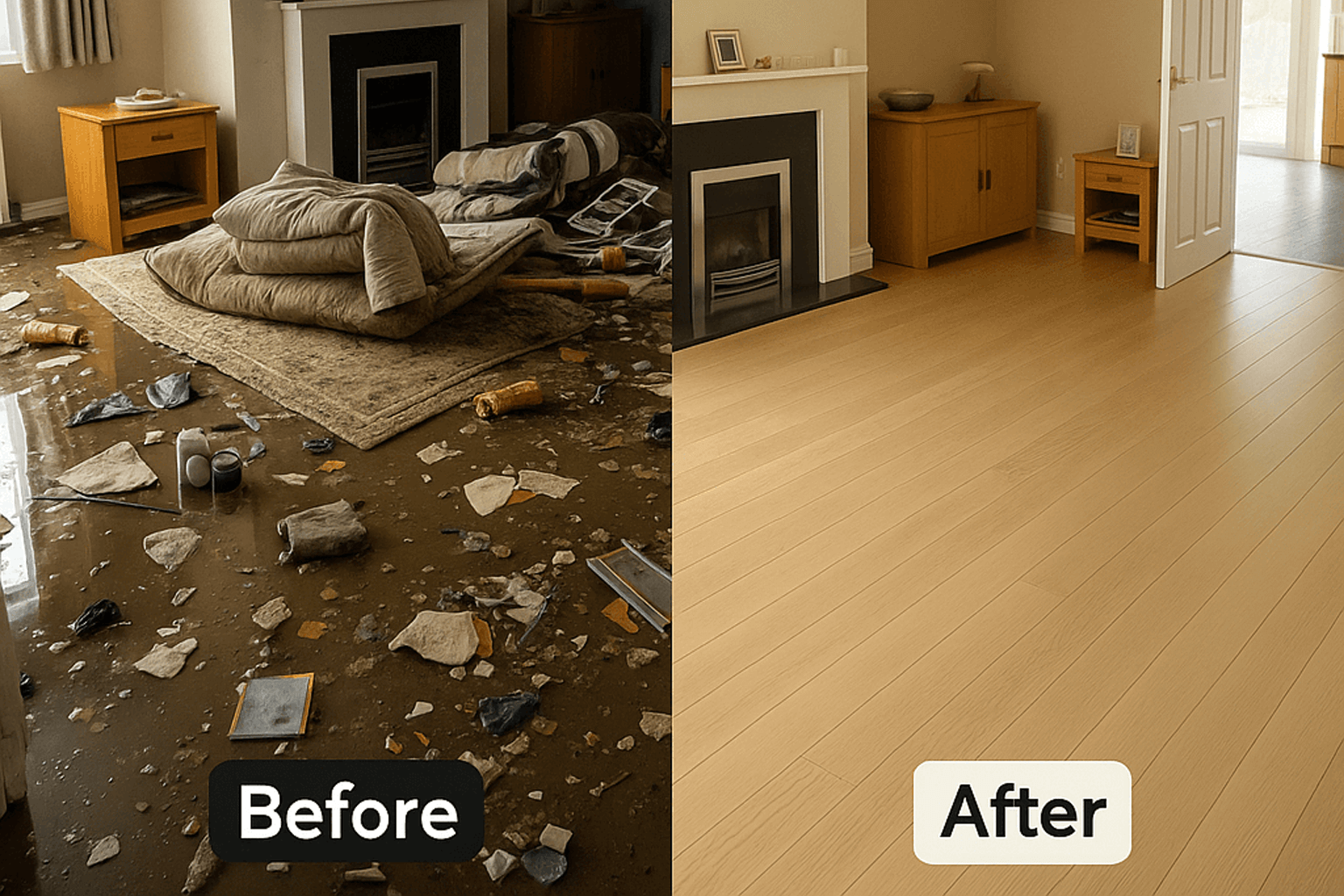
Drying a flooded carpet isn’t just about removing visible water — it’s about restoring your home to a clean, dry, and safe condition. Quick action, the right equipment, and professional advice can make all the difference.
If you’ve experienced flooding or a water leak, Anke Damp Proofing offers specialist carpet drying and flood restoration services across the UK. Our expert technicians are available 24/7 to help you restore your property fast.
Related articles
At a glance
In this guide, we explain step-by-step how to dry a wet carpet properly and restore your space safely and efficiently.
1. Remove Furniture
Before starting any drying process, clear the area of all furniture and belongings. Damp furniture can trap moisture beneath it and slow the drying process, increasing the risk of mould.
- Move items to a dry, safe area or temporary storage.
- Clean furniture surfaces to prevent contamination from spreading.
- Upholstery or wooden furniture in contact with the wet carpet may also need separate drying or treatment.
2. Extract the Water
Quick water extraction is crucial to limit the spread of moisture to subfloors, walls, and surrounding areas.
a. Pump Out Standing Water
For significant flooding, towels or mops won’t be enough. Use suction pumps or wet vacuums to extract large volumes of water efficiently.
- Suction drying helps reduce saturation in the carpet, underlay, and subfloor.
- This step must be completed promptly — do not leave water overnight.
b. Use a Carpet Cleaner with Extraction Function
Many domestic carpet cleaners have built-in water extraction features.
c. Use Air Movers and Dehumidifiers
Once excess water is removed, use air movers to circulate air and dehumidifiers to pull moisture from the air.
- Industrial drying fans and dehumidifiers accelerate evaporation.
- Use multiple units if the room is large or the damage is widespread.
- This approach also helps eliminate musty smells and inhibits mould growth.
d. Inspect Carpet Layers
In cases of deep flooding, roll back the carpet and underlay to inspect the subfloor.
- Dry each layer individually using air movers and dehumidifiers.
- If the underlay or subfloor is heavily saturated or damaged, they may need replacing before reinstallation.
Tip: Our flood restoration experts can recommend the right drying equipment based on the scale of the water damage.
3. Remove Odours
Flooding often results in lingering smells from dampness or contaminated water. To tackle odours:
- Use a HEPA air scrubber — a professional air filtration system that removes particles and neutralises odours.
- Combine it with air movers to speed up evaporation and improve overall air quality.
This step is particularly useful after drying to ensure your home doesn’t retain a musty or unpleasant smell.
4. Watch Out for Contamination
Not all water damage is equal. If the source of flooding is sewage (black water) or grey water from appliances, professional decontamination is essential.
- Grey water contains chemicals and waste from washing machines, dishwashers, and baths.
- Black water contains dangerous pathogens and requires expert biohazard treatment.
- Contaminated carpets and underlays may need to be disposed of safely.
Health and safety are paramount — avoid contact with contaminated water and seek specialist assistance.
Final Thoughts
Drying a flooded carpet isn’t just about removing visible water — it’s about restoring your home to a clean, dry, and safe condition. Quick action, the right equipment, and professional advice can make all the difference.
If you’ve experienced flooding or a water leak, Anke Damp Proofing offers specialist carpet drying and flood restoration services across the UK. Our expert technicians are available 24/7 to help you restore your property fast.