What to Do When Your Bathroom Floods: Step-by-Step Recovery Guide
A bathroom flood can cause serious damage if not handled quickly. Stop the water supply, turn off the electricity, remove standing water, and dry the area thoroughly to prevent mould and long-term issues. Acting fast is key to protecting your home.

Why you can trust our content
At a glance
Flooded Bathroom? Here’s What to Do to Limit Damage and Begin Restoration
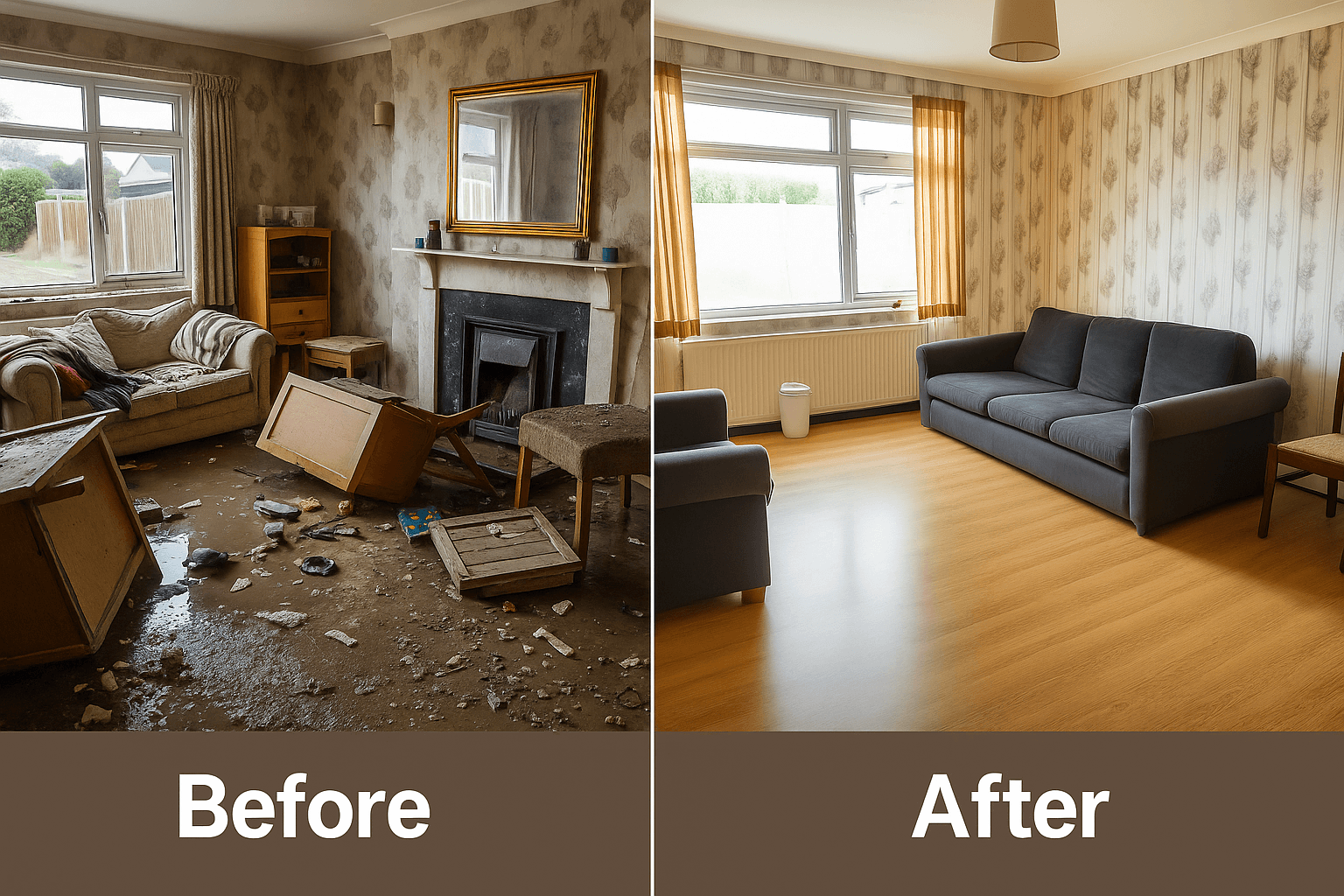
A bathroom flood can be a stressful and messy experience. Whether caused by a burst pipe, overflowing bath, or even a sewage backflow, it’s important to act quickly to minimise long-term damage, protect your health, and avoid costly repairs.
Here’s a practical guide from the experts at Anke Damp Proofing on how to manage bathroom flood damage safely and effectively—and when to call in the professionals.
1. Isolate the Water Supply
The first step is to stop more water from entering the bathroom. Locate your main stopcock (often under the sink or in a cupboard) and turn it off immediately.
- If possible, isolate only the bathroom to maintain water flow elsewhere.
- Stopping the flow quickly helps reduce the extent of water damage across your home.
2. Remove Electrical & Safety Hazards
Flood water can be more than just an inconvenience—it may present serious safety risks, especially around electricity.
- Turn off the power supply to the affected room if electrical fittings have been exposed to water (e.g. towel rails, lighting).
- Wear protective gloves, waterproof footwear, and appropriate clothing to protect yourself from injury or contamination.
- Remove unstable furniture like MDF units or shelves that may weaken due to saturation.
3. Remove Standing Water Safely
Once it’s safe to do so, start extracting water from the flooded bathroom.
- Use buckets, mops, or old towels to collect water—never pour contaminated water into blocked drains.
- If you suspect sewage (black water) is involved, do not attempt to clean it yourself. Call a licensed restoration expert immediately.
- If available, a wet vacuum can help extract more water efficiently.
4. Apply a Temporary Fix (If Safe)
If you’ve identified the source of the leak or burst:
- Apply plumbing tape, waterproof putty or a temporary seal to stop ongoing leaks.
- Where seals are damaged, replacing washers or gaskets may be enough, but structural or plumbing repairs should be handled by professionals.
Note: This step is only recommended if it’s clearly safe to do so.
5. Inform Your Insurance Provider
Contact your home insurer (both buildings and contents cover may apply) as soon as possible.
- Provide photos and videos of the damage and make notes about the timeline of events.
- Your insurer may recommend using a certified restoration company like Anke Damp Proofing for assessment and repair.
- The sooner you report, the quicker the claims process can begin.
6. Remove Soft Furnishings & Bathroom Items
Take out any wet towels, rugs, mats, or decorative items and move them to a well-ventilated space to dry.
- Empty bathroom cabinets and drawers that may have been soaked.
- Avoid leaving any absorbent materials in contact with damp flooring, as this can promote mould growth.
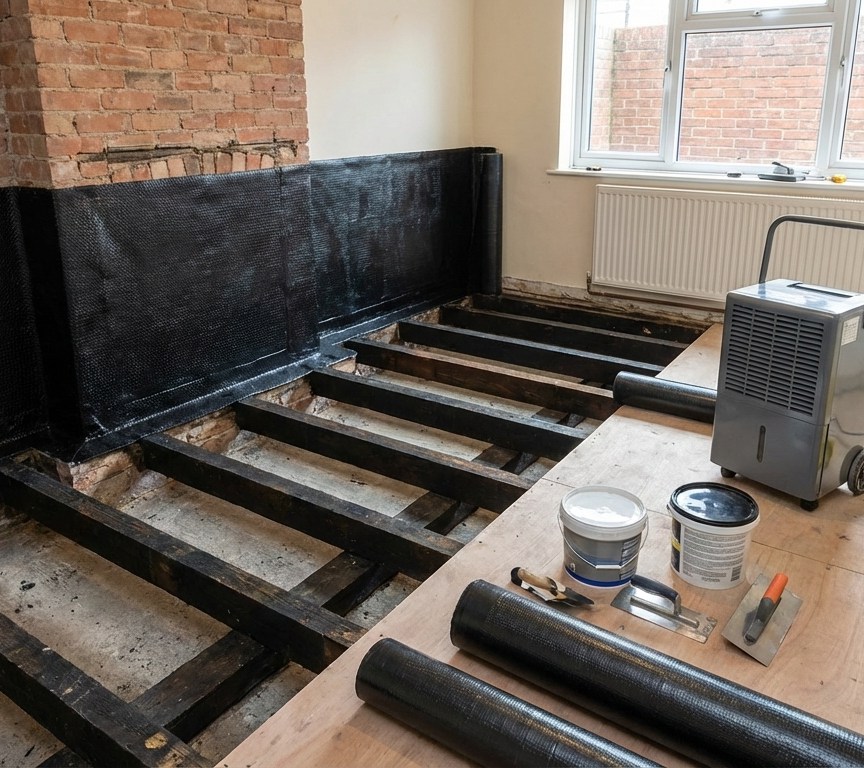
7. Inspect & Strip Out Damaged Materials
Bathroom flooring and walls can hide underlying water damage, especially with absorbent materials like carpet, laminate, or plasterboard.
- Where flooring is soaked through, strip back layers to inspect the subfloor.
- If you’re confident and it’s safe, remove damaged skirting, flooring, or plasterboard. But if in doubt—call the experts.
- Leaving damp materials in place can lead to mould, rot and structural issues.
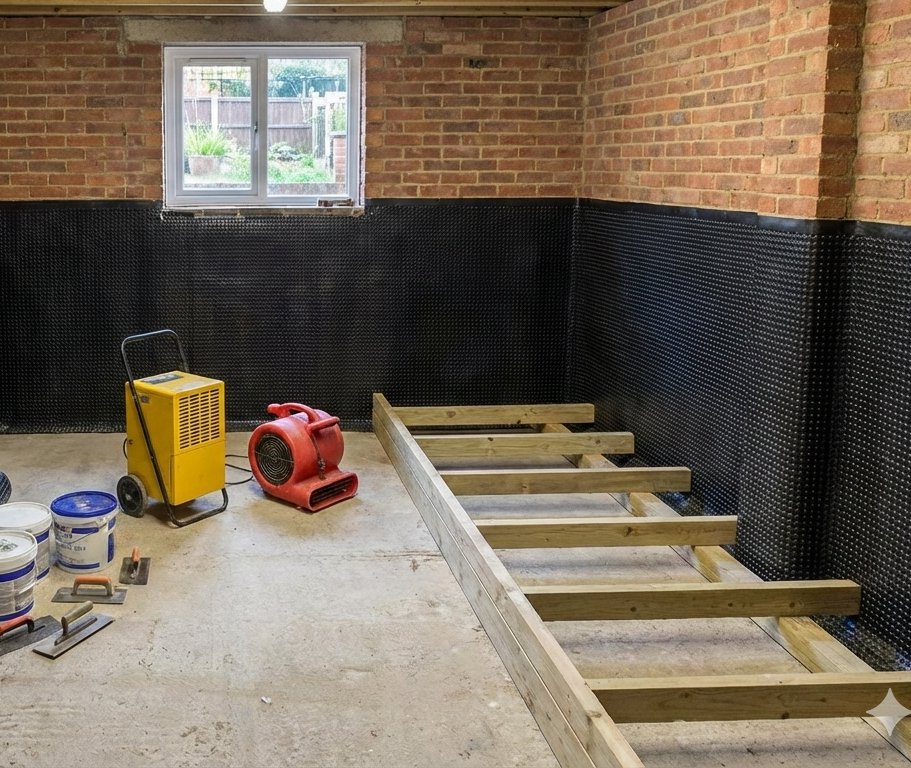
8. Use Drying Equipment
Speed up the drying process by hiring a dehumidifier or air mover to increase airflow and remove moisture from the air.
- Use a HEPA air scrubber to purify the air, especially in cases of sewage exposure or visible mould.
- These steps reduce the chance of future odour, mould growth, and airborne allergens.
Final Advice: Call a Professional Restoration Specialist
Dealing with a flooded bathroom isn’t just about mopping up—it’s about ensuring your home is safe, dry, and structurally sound.
Anke Damp Proofing offers emergency flood response services, advanced water extraction, mould treatment, and professional restoration for homes and businesses across the UK.
-> For fast response and expert support, get in touch with our team today.
Related articles
At a glance
Flooded Bathroom? Here’s What to Do to Limit Damage and Begin Restoration
A bathroom flood can be a stressful and messy experience. Whether caused by a burst pipe, overflowing bath, or even a sewage backflow, it’s important to act quickly to minimise long-term damage, protect your health, and avoid costly repairs.
Here’s a practical guide from the experts at Anke Damp Proofing on how to manage bathroom flood damage safely and effectively—and when to call in the professionals.
1. Isolate the Water Supply
The first step is to stop more water from entering the bathroom. Locate your main stopcock (often under the sink or in a cupboard) and turn it off immediately.
- If possible, isolate only the bathroom to maintain water flow elsewhere.
- Stopping the flow quickly helps reduce the extent of water damage across your home.
2. Remove Electrical & Safety Hazards
Flood water can be more than just an inconvenience—it may present serious safety risks, especially around electricity.
- Turn off the power supply to the affected room if electrical fittings have been exposed to water (e.g. towel rails, lighting).
- Wear protective gloves, waterproof footwear, and appropriate clothing to protect yourself from injury or contamination.
- Remove unstable furniture like MDF units or shelves that may weaken due to saturation.
3. Remove Standing Water Safely
Once it’s safe to do so, start extracting water from the flooded bathroom.
- Use buckets, mops, or old towels to collect water—never pour contaminated water into blocked drains.
- If you suspect sewage (black water) is involved, do not attempt to clean it yourself. Call a licensed restoration expert immediately.
- If available, a wet vacuum can help extract more water efficiently.
4. Apply a Temporary Fix (If Safe)
If you’ve identified the source of the leak or burst:
- Apply plumbing tape, waterproof putty or a temporary seal to stop ongoing leaks.
- Where seals are damaged, replacing washers or gaskets may be enough, but structural or plumbing repairs should be handled by professionals.
Note: This step is only recommended if it’s clearly safe to do so.
5. Inform Your Insurance Provider
Contact your home insurer (both buildings and contents cover may apply) as soon as possible.
- Provide photos and videos of the damage and make notes about the timeline of events.
- Your insurer may recommend using a certified restoration company like Anke Damp Proofing for assessment and repair.
- The sooner you report, the quicker the claims process can begin.
6. Remove Soft Furnishings & Bathroom Items
Take out any wet towels, rugs, mats, or decorative items and move them to a well-ventilated space to dry.
- Empty bathroom cabinets and drawers that may have been soaked.
- Avoid leaving any absorbent materials in contact with damp flooring, as this can promote mould growth.
7. Inspect & Strip Out Damaged Materials
Bathroom flooring and walls can hide underlying water damage, especially with absorbent materials like carpet, laminate, or plasterboard.
- Where flooring is soaked through, strip back layers to inspect the subfloor.
- If you’re confident and it’s safe, remove damaged skirting, flooring, or plasterboard. But if in doubt—call the experts.
- Leaving damp materials in place can lead to mould, rot and structural issues.
8. Use Drying Equipment
Speed up the drying process by hiring a dehumidifier or air mover to increase airflow and remove moisture from the air.
- Use a HEPA air scrubber to purify the air, especially in cases of sewage exposure or visible mould.
- These steps reduce the chance of future odour, mould growth, and airborne allergens.
Final Advice: Call a Professional Restoration Specialist
Dealing with a flooded bathroom isn’t just about mopping up—it’s about ensuring your home is safe, dry, and structurally sound.
Anke Damp Proofing offers emergency flood response services, advanced water extraction, mould treatment, and professional restoration for homes and businesses across the UK.
-> For fast response and expert support, get in touch with our team today.