Basement Waterproofing and Tanking: Turn Your Basement into Usable Living Space
If you’ve got a basement that’s damp, musty or only good for storing old paint tins, you’re not alone. Lots of homes across Hertfordshire, Essex, Bedfordshire and North London struggle with moisture problems below ground level.

Why you can trust our content
At a glance
The good news? Basement waterproofing and tanking can completely transform that wasted space into a dry, usable part of your home.
Whether you’re dreaming of a home office, gym, cinema room or extra bedroom, waterproofing your basement is the first and most important step. Let’s break down what basement waterproofing and tanking actually is, why it’s necessary, and how it helps you unlock the full potential of your home.
What Is Basement Waterproofing and Tanking?
Basement waterproofing, also referred to as tanking, is the process of preventing water and moisture from entering your basement through walls, floors and joints. Because basements sit below ground level, they’re constantly exposed to groundwater pressure and damp conditions.
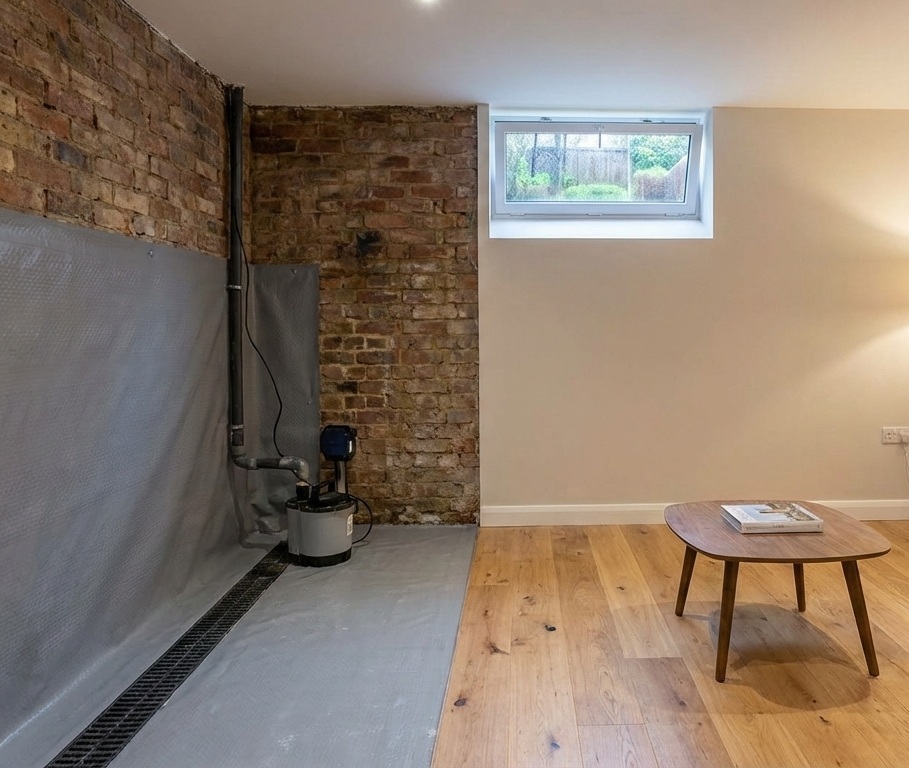
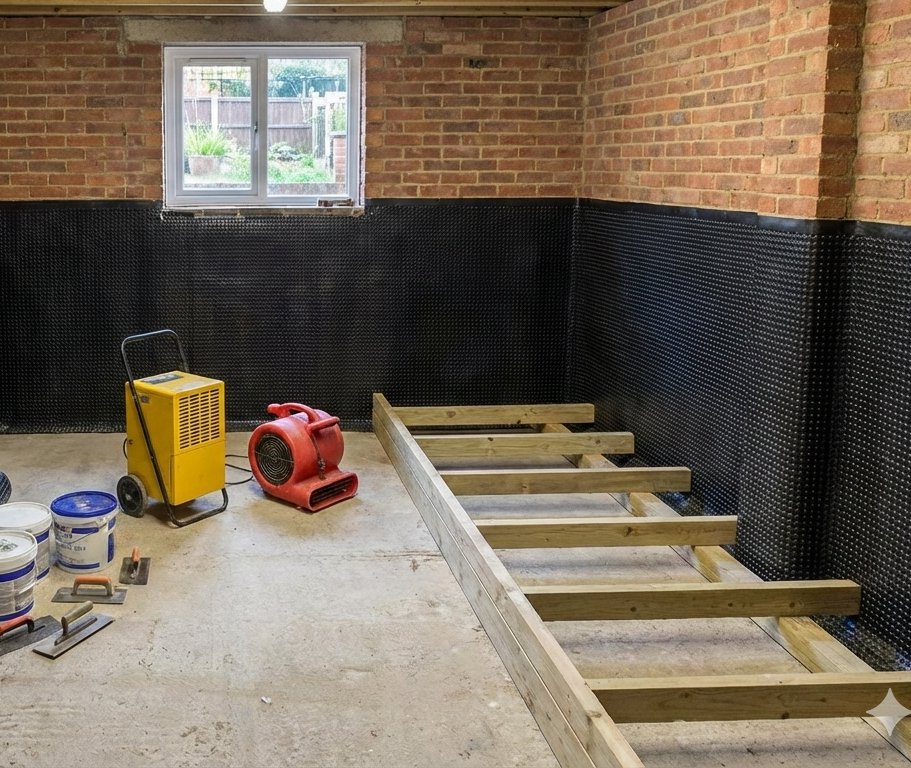
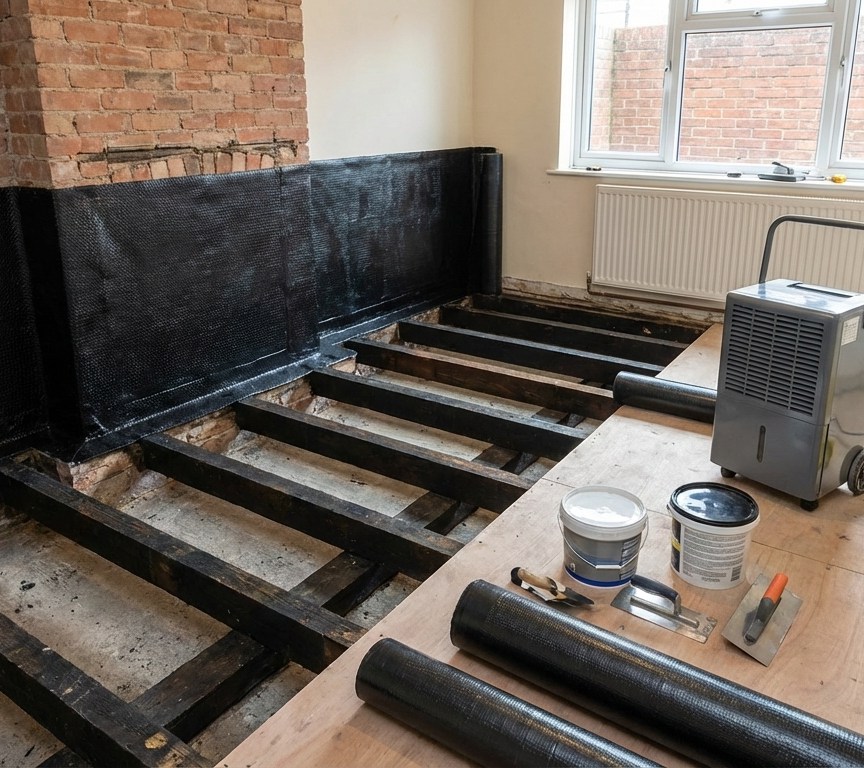
Tanking usually involves applying a waterproof barrier directly to the internal walls and floors. This creates a sealed “tank” that stops water from penetrating the structure. In some cases, waterproof membranes or drainage systems are used alongside tanking to manage water effectively.
The result? A basement that stays dry all year round, even during heavy rain.
Why Basements Are So Prone to Damp Problems
If your basement feels damp, there’s a reason for it. Below-ground rooms are surrounded by soil, which naturally holds moisture. Over time, water can seep through porous brickwork, cracked concrete or weak mortar joints.
Common causes of basement damp include:
- High groundwater levels
- Poor external drainage
- Cracks in walls or floors
- Age-related deterioration of materials
- Lack of proper waterproofing during construction
Homes in North London and the surrounding counties often have older basements that were never designed to be lived in. Without modern waterproofing, moisture problems are almost inevitable.
Why Basement Waterproofing Is Necessary
Ignoring damp in your basement doesn’t just limit how you use the space — it can affect your whole property.
Persistent moisture can:
- Encourage mould and mildew growth
- Damage plaster, flooring and finishes
- Create unpleasant odours
- Affect indoor air quality
- Lead to long-term structural damage
From a health perspective, damp and mould can trigger respiratory issues and allergies, especially if moisture rises into the floors above. Waterproofing your basement protects not only the room itself but the wider structure of your home.
How Tanking Helps You Make Use of Basement Space
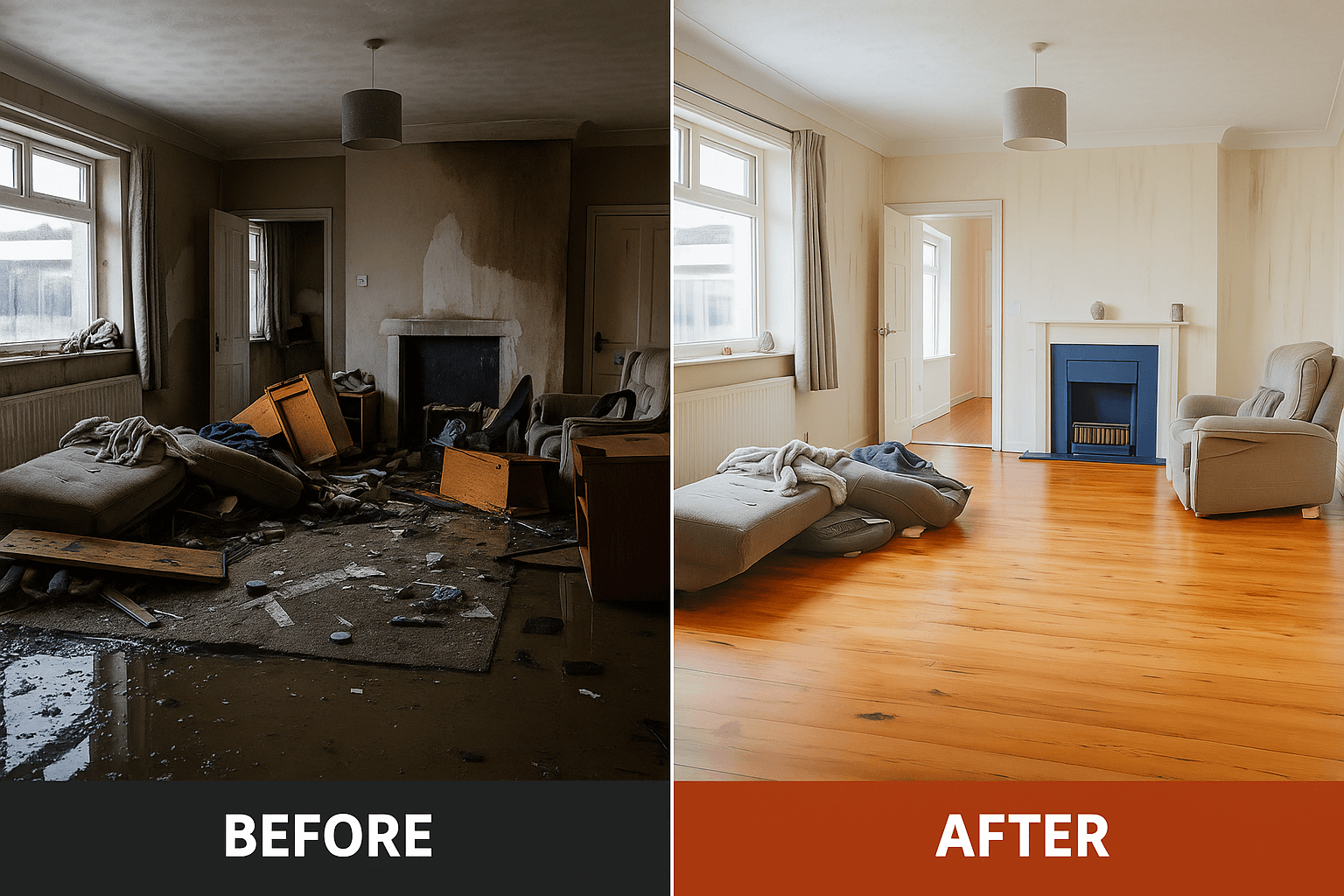
Once a basement is properly waterproofed, it stops being a problem area and starts becoming an opportunity. A dry basement can be transformed into:
- A home office or studio
- An extra bedroom or guest suite
- A home gym or yoga room
- A cinema or entertainment space
- A playroom or snug
- Secure, dry storage
In areas like Hertfordshire and Essex, where property prices are high, adding usable square footage without extending outward is a smart move. Waterproofing allows you to make the most of the space you already own.
Does Basement Waterproofing Add Value to Your Home?
Short answer: yes.
A professionally waterproofed basement can significantly increase your property’s value and appeal. Buyers are far more interested in homes with dry, functional basements than ones with visible damp issues.
Even if you’re not planning to sell anytime soon, waterproofing future-proofs your home and avoids costly repairs later on. It’s an investment in both comfort and long-term value.
Signs Your Basement Needs Waterproofing
Not sure whether your basement needs tanking? Look out for the warning signs, including damp patches on walls or floors, peeling paint, bubbling plaster, white powdery residue, earthy smells, mould and water pooling after heavy rainfall.
If you’ve noticed any of these issues in your basement in Bedfordshire or North London, it’s worth getting professional advice sooner rather than later.
Professional Basement Tanking
It’s tempting to reach for a quick DIY fix, but basement waterproofing is not a job for shortcuts. Paint-on sealants and temporary solutions rarely address the root cause of the problem.
Professional basement tanking:
- Uses specialist materials designed for below-ground use
- Considers water pressure and building structure
- Provides long-lasting protection
- Often comes with guarantees for peace of mind
A proper system installed by experienced damp proofing specialists ensures your basement stays dry for years, not just months. Basement waterproofing isn’t just about materials — it’s about experience, attention to detail and understanding local property types. The team here at Anke Damp proofing has extensive experience working with homes across Hertfordshire, Essex, Bedfordshire and North London, delivering reliable, long-lasting basement tanking solutions.
Basement Waterproofing and Building Regulations
If you’re planning to convert your basement into a habitable space, waterproofing isn’t optional — it’s essential. Building regulations require effective moisture protection to ensure the space is safe and suitable for living.
Professional basement waterproofing ensures your conversion meets the required standards and avoids issues further down the line.
Related articles
At a glance
The good news? Basement waterproofing and tanking can completely transform that wasted space into a dry, usable part of your home.
Whether you’re dreaming of a home office, gym, cinema room or extra bedroom, waterproofing your basement is the first and most important step. Let’s break down what basement waterproofing and tanking actually is, why it’s necessary, and how it helps you unlock the full potential of your home.
What Is Basement Waterproofing and Tanking?
Basement waterproofing, also referred to as tanking, is the process of preventing water and moisture from entering your basement through walls, floors and joints. Because basements sit below ground level, they’re constantly exposed to groundwater pressure and damp conditions.
Tanking usually involves applying a waterproof barrier directly to the internal walls and floors. This creates a sealed “tank” that stops water from penetrating the structure. In some cases, waterproof membranes or drainage systems are used alongside tanking to manage water effectively.
The result? A basement that stays dry all year round, even during heavy rain.
Why Basements Are So Prone to Damp Problems
If your basement feels damp, there’s a reason for it. Below-ground rooms are surrounded by soil, which naturally holds moisture. Over time, water can seep through porous brickwork, cracked concrete or weak mortar joints.
Common causes of basement damp include:
- High groundwater levels
- Poor external drainage
- Cracks in walls or floors
- Age-related deterioration of materials
- Lack of proper waterproofing during construction
Homes in North London and the surrounding counties often have older basements that were never designed to be lived in. Without modern waterproofing, moisture problems are almost inevitable.
Why Basement Waterproofing Is Necessary
Ignoring damp in your basement doesn’t just limit how you use the space — it can affect your whole property.
Persistent moisture can:
- Encourage mould and mildew growth
- Damage plaster, flooring and finishes
- Create unpleasant odours
- Affect indoor air quality
- Lead to long-term structural damage
From a health perspective, damp and mould can trigger respiratory issues and allergies, especially if moisture rises into the floors above. Waterproofing your basement protects not only the room itself but the wider structure of your home.
How Tanking Helps You Make Use of Basement Space
Once a basement is properly waterproofed, it stops being a problem area and starts becoming an opportunity. A dry basement can be transformed into:
- A home office or studio
- An extra bedroom or guest suite
- A home gym or yoga room
- A cinema or entertainment space
- A playroom or snug
- Secure, dry storage
In areas like Hertfordshire and Essex, where property prices are high, adding usable square footage without extending outward is a smart move. Waterproofing allows you to make the most of the space you already own.
Does Basement Waterproofing Add Value to Your Home?
Short answer: yes.
A professionally waterproofed basement can significantly increase your property’s value and appeal. Buyers are far more interested in homes with dry, functional basements than ones with visible damp issues.
Even if you’re not planning to sell anytime soon, waterproofing future-proofs your home and avoids costly repairs later on. It’s an investment in both comfort and long-term value.
Signs Your Basement Needs Waterproofing
Not sure whether your basement needs tanking? Look out for the warning signs, including damp patches on walls or floors, peeling paint, bubbling plaster, white powdery residue, earthy smells, mould and water pooling after heavy rainfall.
If you’ve noticed any of these issues in your basement in Bedfordshire or North London, it’s worth getting professional advice sooner rather than later.
Professional Basement Tanking
It’s tempting to reach for a quick DIY fix, but basement waterproofing is not a job for shortcuts. Paint-on sealants and temporary solutions rarely address the root cause of the problem.
Professional basement tanking:
- Uses specialist materials designed for below-ground use
- Considers water pressure and building structure
- Provides long-lasting protection
- Often comes with guarantees for peace of mind
A proper system installed by experienced damp proofing specialists ensures your basement stays dry for years, not just months. Basement waterproofing isn’t just about materials — it’s about experience, attention to detail and understanding local property types. The team here at Anke Damp proofing has extensive experience working with homes across Hertfordshire, Essex, Bedfordshire and North London, delivering reliable, long-lasting basement tanking solutions.
Basement Waterproofing and Building Regulations
If you’re planning to convert your basement into a habitable space, waterproofing isn’t optional — it’s essential. Building regulations require effective moisture protection to ensure the space is safe and suitable for living.
Professional basement waterproofing ensures your conversion meets the required standards and avoids issues further down the line.