Fire Damage Restoration: Cleaning Up After a Fire in the UK
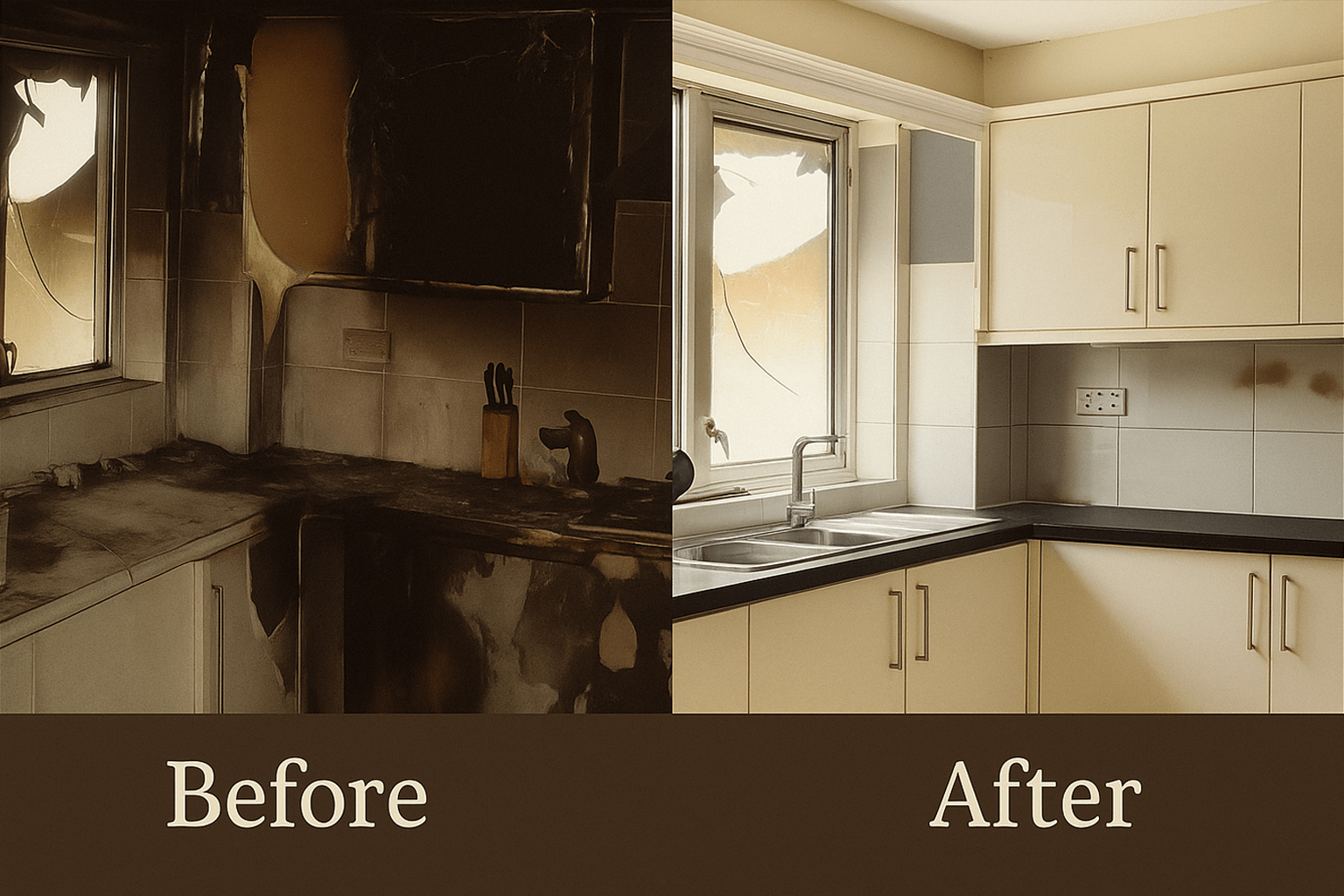
Experiencing a fire in your home or business is nothing short of devastating. While the immediate danger may pass once the flames are extinguished, the aftermath presents a different and often overwhelming challenge.

Why you can trust our content
At a glance
From smoke and soot to water damage and compromised structural integrity, the clean-up process can be daunting. So, where do you begin?
If you’ve been affected by a fire, it’s essential to understand the restoration process. Many assume they can handle the clean-up themselves, but without proper training and equipment, this can worsen the situation or delay recovery. With over 27,000 dwelling fires reported annually in the UK, knowing how to respond is vital.
This guide outlines the key steps in the fire damage restoration process, explaining the risks involved and when to seek professional support.
Step 1: Assess the Damage and Prioritise Safety
Before attempting any clean-up, safety must come first. Fires can severely weaken structures, expose harmful substances, and leave behind toxic airborne particles. Be sure to:
- Wait for clearance: Only return once the fire brigade or relevant authorities have confirmed the property is safe.
- Wear protective gear: Soot and ash contain carcinogens. Always wear gloves, an N95 (or equivalent) mask, and protective clothing.
- Inspect for structural damage: Fire can weaken walls, ceilings, and floors. If there’s any doubt, commission a professional structural survey.
Step 2: Address Water Damage Promptly
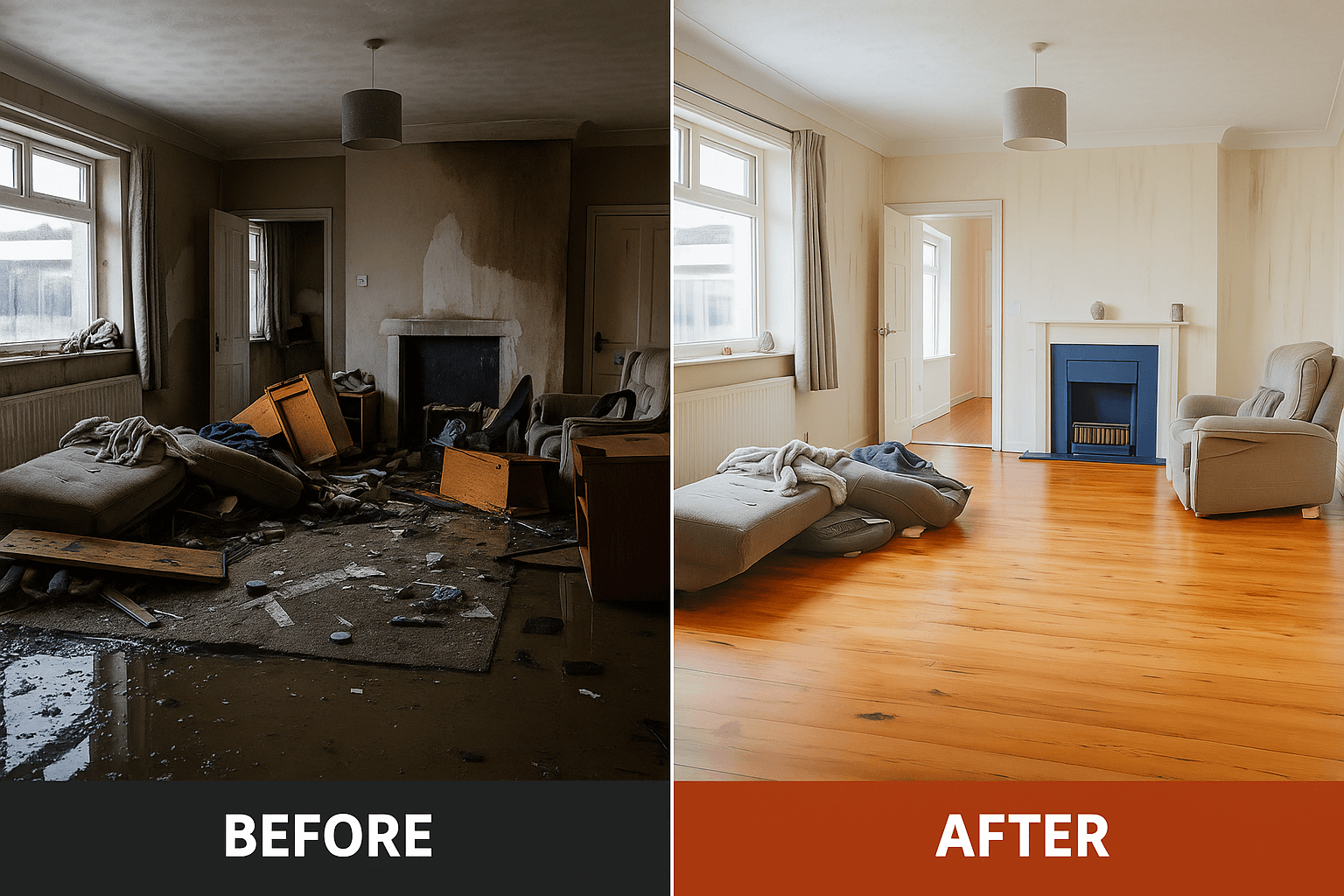
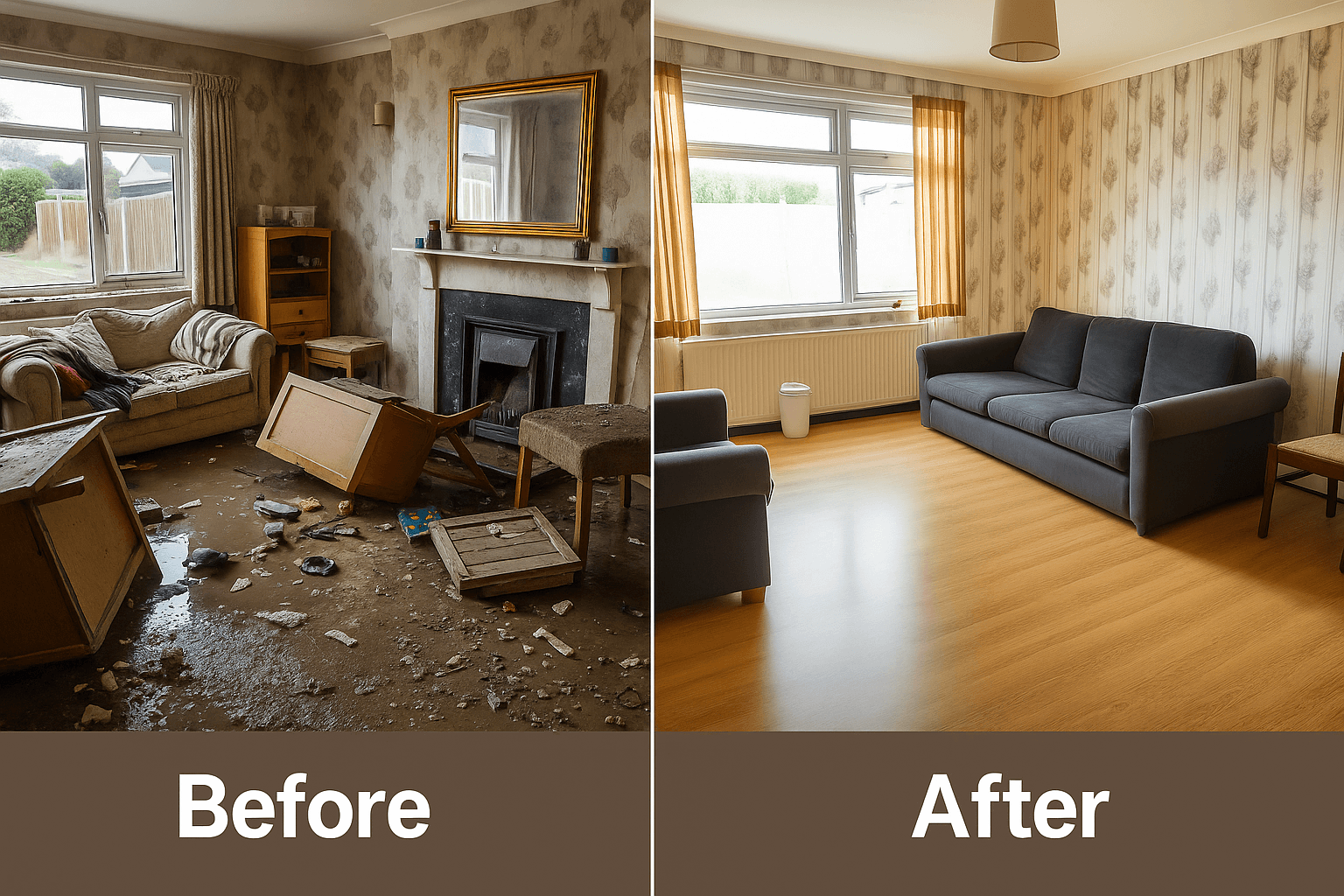
While it’s natural to focus on the fire itself, the water used to extinguish it often causes significant damage. Prolonged dampness increases the risk of mould growth and further structural issues.
- Remove standing water: Use pumps or wet vacuums as soon as possible.
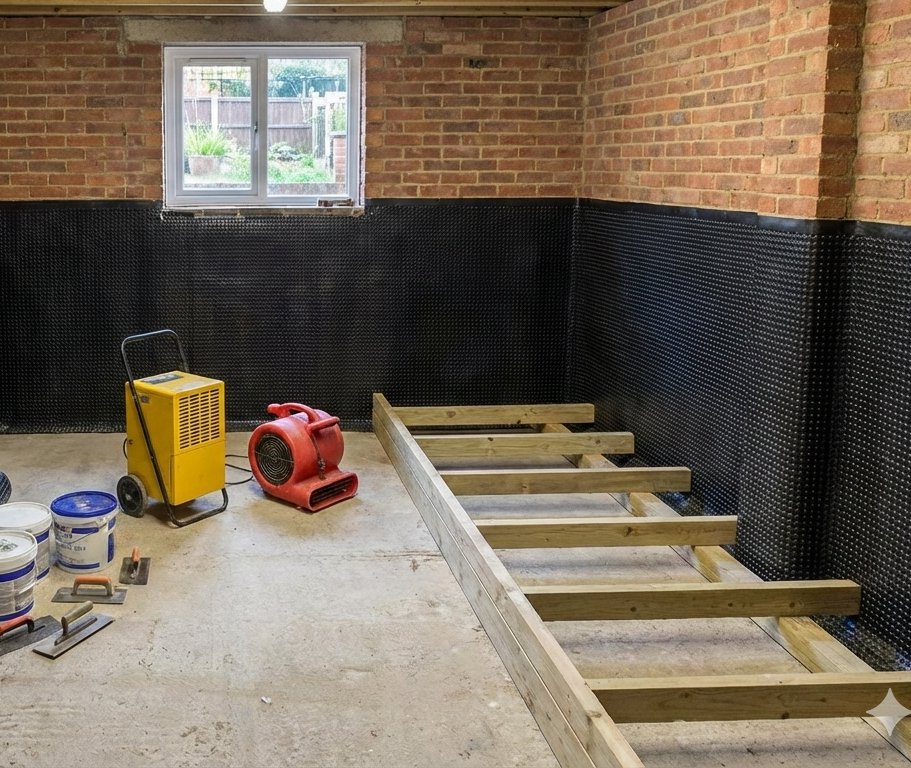
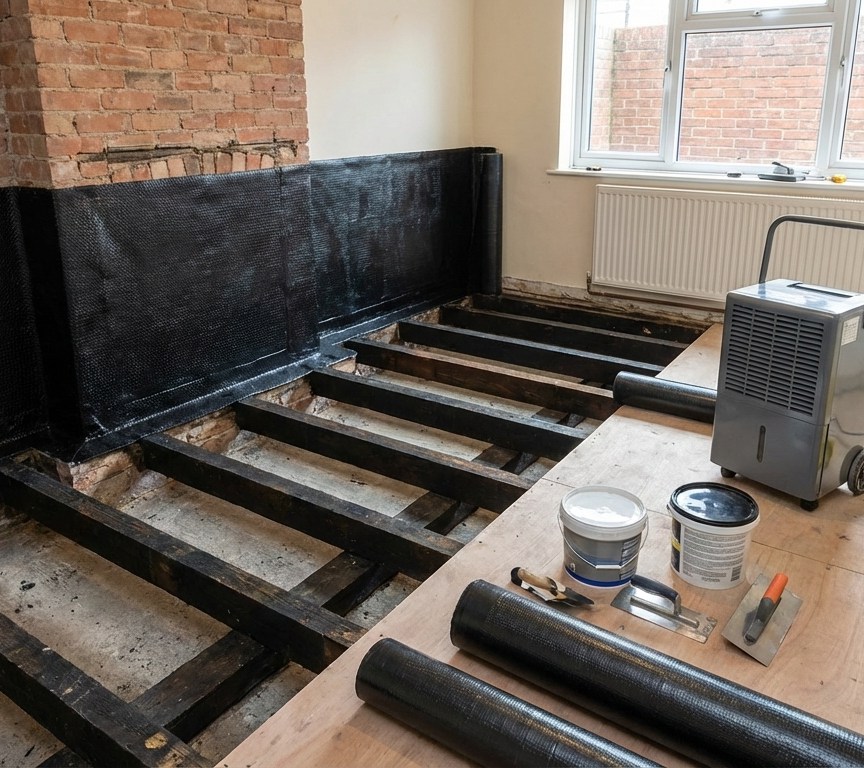
- Dry the area thoroughly: Deploy industrial-grade dehumidifiers and fans to accelerate drying.
- Monitor for mould: Mould can develop in as little as 24–48 hours in damp environments.
- Dispose of unsalvageable materials: Items like soaked carpets, furniture, and insulation may need removing to stop mould from spreading.
Step 3: Clean Soot and Smoke Residue
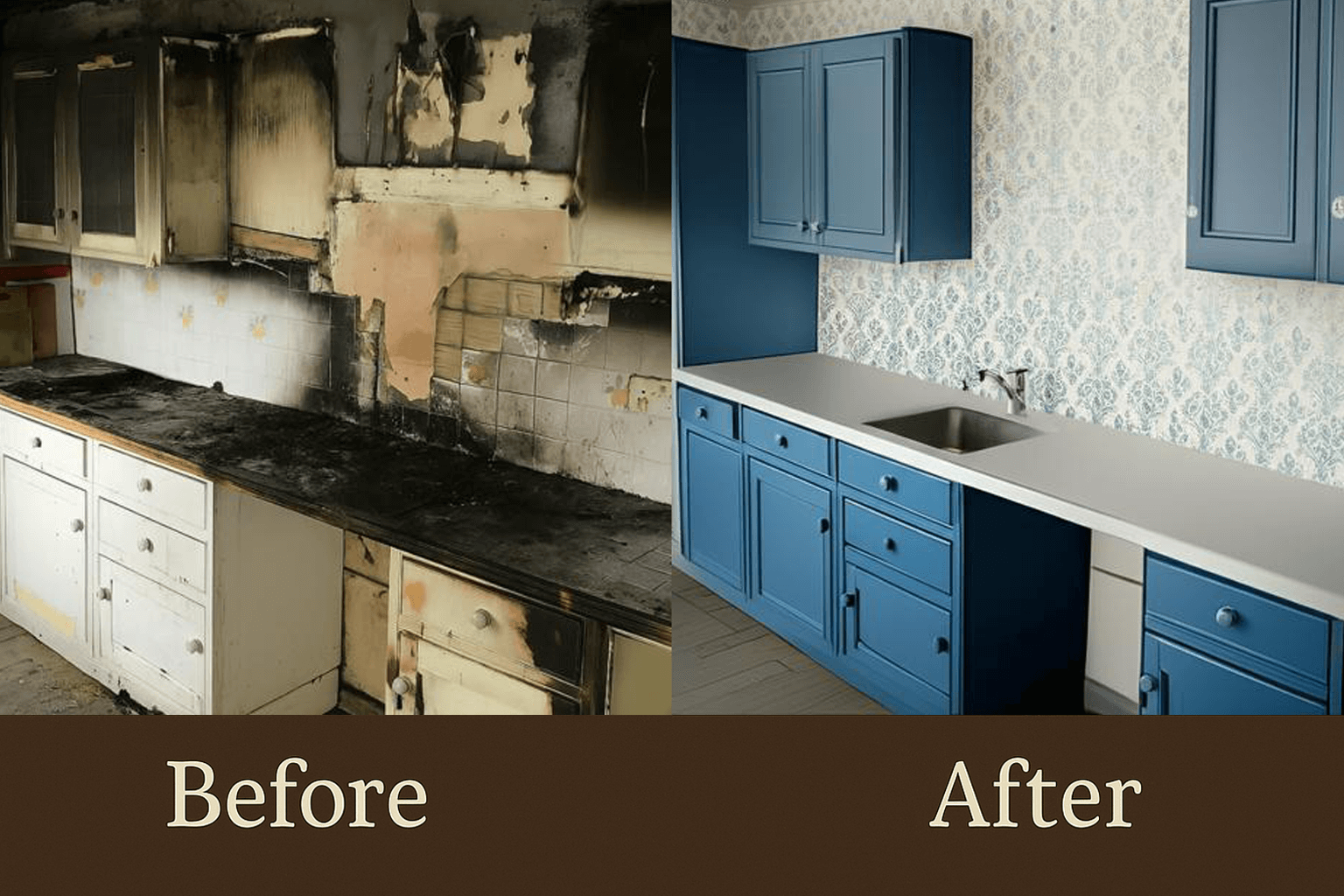
Soot and smoke can seep into materials, leaving deep stains and persistent odours. The type of fire influences the kind of residue left behind:
- Dry soot (from fast, hot fires): Easier to vacuum using HEPA filtration.
- Wet or oily soot (from smouldering fires): Sticky and requires specialist degreasers.
- Protein residue (commonly from kitchen fires): Virtually invisible but leaves a strong odour and sticky film.
Effective cleaning methods include:
- HEPA vacuuming: Removes fine particles without recirculating them.
- Chemical sponges: Designed to lift soot without smearing.
- Alkaline cleaners: Neutralise corrosive soot and protect surfaces.
Step 4: Eliminate Smoke Odours
One of the most challenging aspects of restoration is removing smoke smells embedded in porous surfaces such as walls, furnishings, and carpets.
Common odour removal techniques used in the UK include:
- Ozone treatments: Break down odour-causing molecules at their source.
- Hydroxyl generators: A safer alternative to ozone, effective for persistent smoke smells.
- Thermal fogging: Opens porous materials to neutralise trapped particles.
- Activated carbon filtration: Helps purify indoor air of smoke odours.
Step 5: Prevent Corrosion and Ongoing Damage
Left untreated, soot and ash—both acidic—can continue corroding surfaces. Metal fixtures may rust within days, and electronics can short-circuit due to fine soot exposure.
To mitigate secondary damage:
- Wipe down metal surfaces with oil or alkaline solutions to prevent corrosion.
- Clean HVAC systems: Ductwork often traps smoke and soot, which can recirculate.
- Avoid direct contact with soot: Natural oils from your hands can embed particles further into surfaces.
Step 6: Know When to Call in Professionals
Fire damage restoration is a complex, technical process. If the damage is widespread, it’s advisable to contact professionals. In the UK, look for companies accredited by the BDMA (British Damage Management Association), ensuring compliance with national standards.
Professional services typically include:
- Comprehensive structural inspections
- Specialist smoke and soot removal
- Advanced drying equipment for mould prevention
- Hazardous material decontamination
While hiring experts may seem costly, improper DIY restoration can lead to long-term issues like structural degradation, persistent odours, and even health concerns—potentially costing more in the long run.
What’s Next?
Recovering from a fire is never easy, but taking the right steps can make the journey smoother. Your first priority should always be safety, followed by immediate action to address water, soot, and smoke damage.
For extensive fire damage, don’t hesitate to call a BDMA-accredited restoration company. Prompt, professional intervention can be the difference between preserving your property and facing ongoing, expensive repairs.
If you need reliable, expert support, get in touch with our fire damage specialists today. We’re available 24/7 to help restore your home or business to a safe, liveable condition.
Related articles
At a glance
From smoke and soot to water damage and compromised structural integrity, the clean-up process can be daunting. So, where do you begin?
If you’ve been affected by a fire, it’s essential to understand the restoration process. Many assume they can handle the clean-up themselves, but without proper training and equipment, this can worsen the situation or delay recovery. With over 27,000 dwelling fires reported annually in the UK, knowing how to respond is vital.
This guide outlines the key steps in the fire damage restoration process, explaining the risks involved and when to seek professional support.
Step 1: Assess the Damage and Prioritise Safety
Before attempting any clean-up, safety must come first. Fires can severely weaken structures, expose harmful substances, and leave behind toxic airborne particles. Be sure to:
- Wait for clearance: Only return once the fire brigade or relevant authorities have confirmed the property is safe.
- Wear protective gear: Soot and ash contain carcinogens. Always wear gloves, an N95 (or equivalent) mask, and protective clothing.
- Inspect for structural damage: Fire can weaken walls, ceilings, and floors. If there’s any doubt, commission a professional structural survey.
Step 2: Address Water Damage Promptly
While it’s natural to focus on the fire itself, the water used to extinguish it often causes significant damage. Prolonged dampness increases the risk of mould growth and further structural issues.
- Remove standing water: Use pumps or wet vacuums as soon as possible.
- Dry the area thoroughly: Deploy industrial-grade dehumidifiers and fans to accelerate drying.
- Monitor for mould: Mould can develop in as little as 24–48 hours in damp environments.
- Dispose of unsalvageable materials: Items like soaked carpets, furniture, and insulation may need removing to stop mould from spreading.
Step 3: Clean Soot and Smoke Residue
Soot and smoke can seep into materials, leaving deep stains and persistent odours. The type of fire influences the kind of residue left behind:
- Dry soot (from fast, hot fires): Easier to vacuum using HEPA filtration.
- Wet or oily soot (from smouldering fires): Sticky and requires specialist degreasers.
- Protein residue (commonly from kitchen fires): Virtually invisible but leaves a strong odour and sticky film.
Effective cleaning methods include:
- HEPA vacuuming: Removes fine particles without recirculating them.
- Chemical sponges: Designed to lift soot without smearing.
- Alkaline cleaners: Neutralise corrosive soot and protect surfaces.
Step 4: Eliminate Smoke Odours
One of the most challenging aspects of restoration is removing smoke smells embedded in porous surfaces such as walls, furnishings, and carpets.
Common odour removal techniques used in the UK include:
- Ozone treatments: Break down odour-causing molecules at their source.
- Hydroxyl generators: A safer alternative to ozone, effective for persistent smoke smells.
- Thermal fogging: Opens porous materials to neutralise trapped particles.
- Activated carbon filtration: Helps purify indoor air of smoke odours.
Step 5: Prevent Corrosion and Ongoing Damage
Left untreated, soot and ash—both acidic—can continue corroding surfaces. Metal fixtures may rust within days, and electronics can short-circuit due to fine soot exposure.
To mitigate secondary damage:
- Wipe down metal surfaces with oil or alkaline solutions to prevent corrosion.
- Clean HVAC systems: Ductwork often traps smoke and soot, which can recirculate.
- Avoid direct contact with soot: Natural oils from your hands can embed particles further into surfaces.
Step 6: Know When to Call in Professionals
Fire damage restoration is a complex, technical process. If the damage is widespread, it’s advisable to contact professionals. In the UK, look for companies accredited by the BDMA (British Damage Management Association), ensuring compliance with national standards.
Professional services typically include:
- Comprehensive structural inspections
- Specialist smoke and soot removal
- Advanced drying equipment for mould prevention
- Hazardous material decontamination
While hiring experts may seem costly, improper DIY restoration can lead to long-term issues like structural degradation, persistent odours, and even health concerns—potentially costing more in the long run.
What’s Next?
Recovering from a fire is never easy, but taking the right steps can make the journey smoother. Your first priority should always be safety, followed by immediate action to address water, soot, and smoke damage.
For extensive fire damage, don’t hesitate to call a BDMA-accredited restoration company. Prompt, professional intervention can be the difference between preserving your property and facing ongoing, expensive repairs.
If you need reliable, expert support, get in touch with our fire damage specialists today. We’re available 24/7 to help restore your home or business to a safe, liveable condition.